
Photo by Christian Agbede · Unsplash
Winter is rough on dry skin. Your face feels tight the second you wash it. By afternoon your cheeks and the corners of your mouth are flaking, and on bad days your skin itches or stings. Even a well-reviewed cream only helps for a little while, and a few hours in a heated room seems to make everything worse.
This isn’t happening because you’re bad at skincare. In winter, low humidity, indoor heating and hot water all pile up, and your skin loses moisture more easily. So a good winter skincare routine for dry skin is more than your summer routine with a richer cream swapped in. It helps to rethink the whole picture: pull water in, soften, and seal it down. Below I’ll cover why skin gets so dry in winter, a realistic routine for dry skin, what to look for in products, and a few extra tips that go a step further.
This is general skincare information. If flaking or tightness stays bad even with good care, or your skin cracks, oozes, or won’t stop itching, it may not be simple dryness. It could be eczema or dermatitis, so it’s worth having a dermatologist check the actual cause.
Why winter dries your skin out
Once you know the causes, it’s easier to fight back. In winter, a few of them overlap.
First, the air is dry. Dry winter air and indoor heating increase the amount of water your skin loses, which can make dryness worse. Then there’s hot water. When it’s cold, you tend to wash longer with hotter water, and hot water can strip away too much of your skin’s natural oil. On top of that, cold wind and sudden swings between indoor and outdoor temperatures put extra strain on an already weakened skin barrier.
In other words, winter dryness isn’t really about your skin suddenly being unable to “make” moisture. It’s closer to a dry, irritating environment making it hard for your skin to hold on to the moisture it has. So the job comes down to two things: adding moisture, and keeping that moisture from escaping.
Pull in, soften, seal
Moisturizing ingredients fall into three broad groups, and dry skin in winter especially benefits from using all three together.
Humectants pull water in. They attract moisture and hold it in the outer layer of your skin. Hyaluronic acid and glycerin belong here. (I covered how to use hyaluronic acid properly in what hyaluronic acid does for skin.)
Emollients smooth things over. They soften the skin’s surface and ease patches that feel rough. Squalane and fatty acids are typical examples, and barrier-supporting ingredients like ceramides are often used in moisturizers alongside them. (I explained what ceramides do in the barrier in what ceramides do for your skin.)
Occlusives seal. They form a protective layer on top of the skin that stops water from evaporating. Petrolatum (the main ingredient in Vaseline), shea butter and oils are the classic examples.
If a light moisturizer kept your skin comfortable all summer, in winter it can help to strengthen the sealing step with a cream or balm that contains emollients and occlusives. The American Academy of Dermatology (AAD) also notes that for dry skin, thicker textures like creams and ointments hold in moisture better than lotions.
A winter skincare routine for dry skin
It doesn’t need to be complicated. Cleanse gently, apply while your skin is still damp, and seal with something rich.
Morning
- Gentle cleanse. Rinse with lukewarm water only, or use a mild, low-irritation cleanser lightly. On days when the tightness is bad, you can skip the morning cleanser altogether and just rinse lightly with lukewarm water.
- Hydrating toner or essence. Apply products with hydrating ingredients like glycerin and hyaluronic acid.
- Moisturizer. Apply a cream with ceramides or similar barrier-supporting ingredients to help keep moisture in.
- Sunscreen. UV doesn’t disappear in winter, and snow reflects it back at you. Make it the last step every morning. (See how to apply sunscreen.)
Evening
- Gentle cleansing. If you wore sunscreen or makeup, start with an oil or balm cleanser, then follow with a mild face wash. Skip the hot water, keep it lukewarm, and don’t drag it out.
- Layered hydration. Apply toner and essence in several thin layers. (If the order confuses you, see how to layer skincare.)
- Moisturizer. A slightly richer texture than your morning one works well here.
- One sealing layer, if needed. On especially dry days, smooth a small amount of balm or oil on as the very last step to lock the moisture in.
The AAD recommends applying moisturizer within a few minutes of washing, while your skin is still damp. Don’t rub your face dry with a towel. Pat it gently, then apply right away.
What to look for in products
For dry winter skin, the ingredients and texture matter more than the brand.
On the ingredient list, look for ceramides, hyaluronic acid, glycerin, squalane, shea butter and petrolatum. A formula that combines humectants (pull in), emollients (soften) and occlusives (seal) will hold up well through winter. For texture, the drier your skin, the better a thick cream or balm will protect moisture compared with a light lotion or gel. And for cleansers, a gentle cream, oil or lotion cleanser is less likely to strip away too much of your skin’s natural oil than a squeaky, high-foam one.
As for what to skip, I’d steer clear of heavily fragranced products, or anything that stings or leaves your skin feeling drier, while your skin is sensitive in winter. The AAD also recommends fragrance-free products for dry skin. It’s also smart to cut back on strong exfoliation and daily use of high-strength actives in winter. Pile irritation on top of a weakened barrier and your skin gets drier and more sensitive.
Going a step further
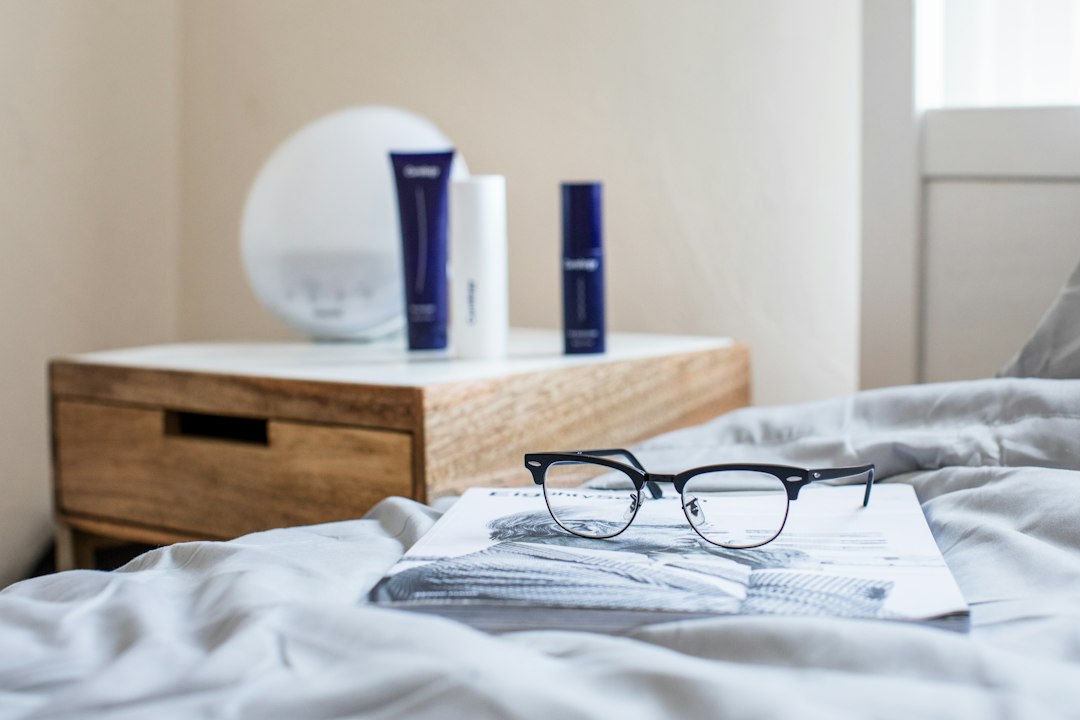
On top of the basic routine, these are the things dry skin gets the most out of in winter.
- Slugging. Finish your routine with a thin layer of an occlusive to stop water evaporating overnight. It’s useful for cutting moisture loss on very dry areas, but if you get oily or break out easily, use it only on the dry patches rather than your whole face. (I went through the method in what slugging is.)
- Humidifier. The AAD recommends running a humidifier in your bedroom overnight to raise the indoor humidity. Just clean it often so mold doesn’t grow.
- Shower habits. Cut back on long, hot showers and keep them short and lukewarm. For your body, too, moisturize right after you step out while your skin is still damp.
- Lips and exposed skin. Use lip balm or petrolatum on your lips, and layer a rich balm over areas exposed to cold wind.
- If your barrier is already damaged. If flaking and stinging are bad, calming your skin and repairing the barrier come first, not adding new products. (See how to repair a damaged skin barrier.)
If winter makeup settling into dry flakes is your problem, how to apply foundation on dry, flaky skin is worth a read too.
What customers asked me at the beauty shop
When I worked at a Korean beauty shop in Vancouver, one question I often got in winter was, “I’m using a good cream, but my skin still feels tight.” Once we talked a bit more, a lot of those customers turned out to be applying cream faithfully but washing with hot water for a long time, or putting the cream on long after washing, when their skin had already dried out.
In those cases, instead of switching products, I’d suggest trying this first: a short lukewarm wash, moisturizer while the skin is still damp, then one sealing layer on top. Many of them said the tightness eased. With dry skin in winter, I found that protecting moisture often mattered more than simply switching to a more expensive product.
Keeping moisture in all winter
The big picture for dry skin in winter is simple. Lose less of the moisture you already have, and protect the moisture you add.
Wash briefly with lukewarm water and a gentle cleanser, and moisturize right after, while your skin is still damp. Use humectants to pull water in, emollients to smooth, and occlusives to seal. Pick a thick cream or balm over a lotion, with ingredients like ceramides, HA, glycerin, shea butter and petrolatum. Back it all up with a humidifier and, if needed, slugging on especially dry areas. Keep wearing sunscreen in winter, and cut back on actives if your barrier is weak.
If flaking, tightness or itching keeps going or gets worse even though you’re moisturizing well, if your skin cracks and oozes or turns red and itchy, or if you already tend toward atopic dermatitis or eczema, this may be eczema or dermatitis rather than simple dryness. Instead of toughing it out by swapping ingredients, have a dermatologist pin down the real cause.
In winter, dry skin does better when you focus less on putting more on and more on keeping moisture from being taken away.