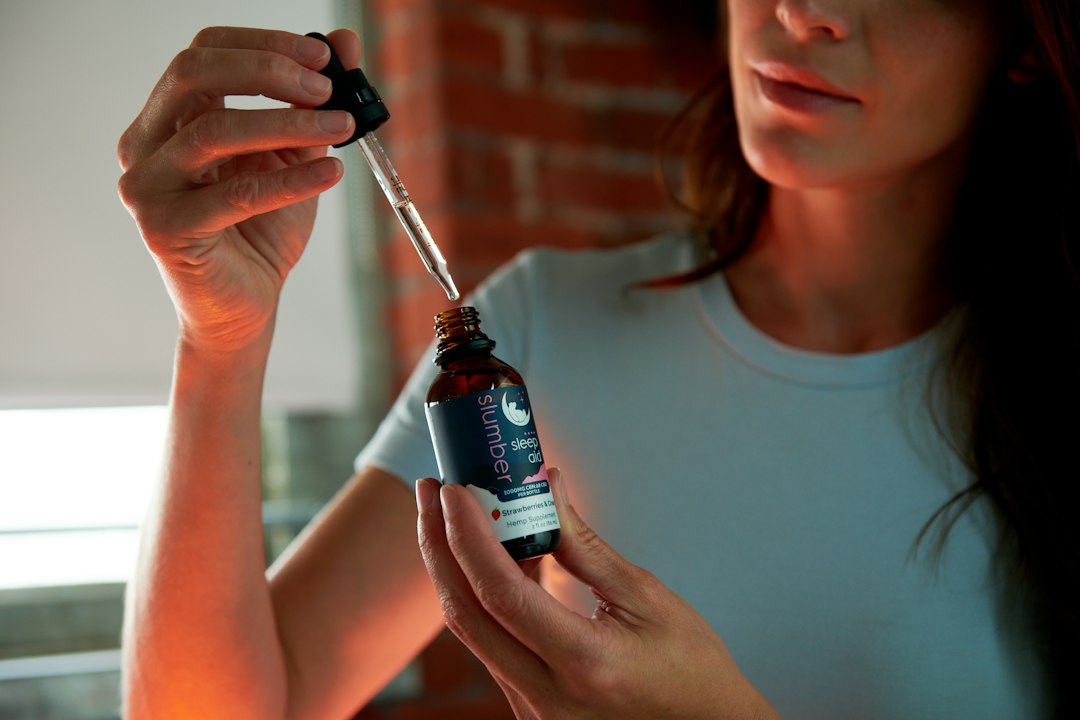
Photo by Slumber Sleep Aid · Unsplash
You’ve picked a good serum and a good cream, but the moment you put them on they slide around, pill, or ball up. Most of us have been there. Sometimes the product really is the problem. But the order you apply things in, and how much you use, can also make a difference. When textures and amounts don’t match, stacking several products can make them pill or clump.
The good news is that the main rule is simple. There’s no complicated formula to memorize. Get one principle down and most of the problem sorts itself out. Below I’ll go through how to layer skincare: that principle, a morning and evening order, and a few myths that trip people up. And to say it up front: you don’t need to obsess over a perfect order. Sticking to the big picture is enough.
This is general skincare information. Active ingredients like retinoids and acids can irritate some skin types, so patch test anything new first. If you have a skin condition such as eczema (atopic dermatitis) or rosacea, or you’re using prescription products, talk to a dermatologist first.
How to layer skincare from lightweight to rich
The rule is based on texture, meaning how thin or thick a product is. In general, layering is easiest when you start with thin, lightweight products and finish with thick, rich ones. The most common setup is a toner or light serum first, then something richer like a cream or oil on top.
If you go the other way and put a heavy product on first, whatever comes next may not spread evenly, or it may pill. So when you’re unsure, just remember: lightweight textures first, rich textures last.
Morning order
In the morning, the idea is to prep and hydrate your skin, then finish with sun protection.
| Step | Product | Notes |
|---|---|---|
| 1 | Cleanser | Start with a gentle cleanse. |
| 2 | Toner or essence (optional) | For extra hydration or to smooth skin texture. |
| 3 | Antioxidant serum | This is the step for ingredients like vitamin C, which help your skin handle environmental stressors during the day. |
| 4 | Eye cream (optional) | Only if you use one. |
| 5 | Moisturizer | A cream or lotion that locks in the hydration from the earlier steps. |
| 6 | Sunscreen | Usually applied as the last step once your skincare is done. Not in the middle, but right at the end. |
I covered how much sunscreen to use and how to reapply it in a separate post on how to apply sunscreen.
Evening order

Photo by Christian Agbede · Unsplash
Evenings are about cleaning up and recovery. You wash off what built up during the day, then take care of your skin.
- Cleanse. If you wore makeup or a water-resistant sunscreen, you may choose to double cleanse: an oil cleanser or cleansing balm first, followed by a gentle cleanser. (Whether you really need to double cleanse is something I went through in my double cleansing post.)
- Toner or essence (optional).
- Treatments and actives. If you use targeted ingredients like a retinoid or an exfoliant, this is where they go, following the product’s directions. These can be irritating, so if you’re new to them or your skin is sensitive, it’s safer to spread them across different nights instead of stacking several irritating actives on the same night.
- Serum. Choose one for your goal, like hydration or soothing. If the product gives its own instructions about where it goes in your routine, follow those first. (I explained how these differ in Essence vs Serum vs Ampoule.)
- Eye cream (optional).
- Moisturizer. This seals in the final layer of hydration.
- Face oil or balm (optional). A thin layer at the very end if your skin is extra dry or your barrier is weak.
A few rules worth remembering
Sunscreen goes last in the morning. Apply it after your other skincare products as the final step of your morning routine.
Some actives, such as retinoids and exfoliating acids, are commonly used at night, while vitamin C is often used in the morning.
Don’t pile strong actives on all at once. Putting several potentially irritating ingredients on at the same time can leave your skin sensitized. If you’d like to split them across the days of the week, I explained how in my post on skin cycling.
And don’t sweat the order of products with similar textures. Which of two light serums goes on first won’t make much difference to the result.
Common layering myths
“You have to wait a few minutes between every layer.” Some people recommend it, but in most cases it isn’t a rule you need to follow strictly. If you use a retinoid, go by the product instructions or your dermatologist’s guidance, and if needed, just give it a moment before the next step.
“Niacinamide and vitamin C cancel each other out.” There’s an old idea that you can’t use them together, but there isn’t much evidence that they have to be kept apart. If your skin is sensitive and you put one in the morning and the other at night, that’s a choice to reduce irritation and keep your routine simple. It’s not because the ingredients clash.
“More steps are better.” They’re not. You’re better off using only what your skin needs, and adding steps can actually lead to irritation or pilling.
What shoppers asked me at the counter
When I was working at a Korean beauty shop in Vancouver, one question I heard a lot was, “I think I’m putting things on in the right order, so why does everything keep pilling?” Once we talked it through, two things I noticed repeatedly were that they were either using too much product at once, or putting a heavy cream on before a thin serum.
What I told them was to forget complicated formulas and just remember: thin first, a moderate amount at a time. Many customers said that using a bit less and switching the texture order cut down on pilling and made everything go on more comfortably. The order is a practical guide to make layering easier and reduce pilling. It isn’t an absolute law that applies to every product.
That said, some situations call for a dermatologist rather than more product swapping: if pilling or clumping keeps happening even after you’ve fixed the order, or you start breaking out; if you’re using actives like retinoids or acids and redness or stinging won’t go away; or if you have a skin condition like eczema or rosacea, or you’re on prescription products. A dermatologist will get you a more accurate answer.
Keep the routine simple
Skincare order is easiest to understand as layering from lightweight to rich. In the morning, start with cleansing and finish with sunscreen. At night, start with cleansing and finish with moisturizer. Add two more things, actives at night and sunscreen as the last morning step, and you’re covered.
What matters more than getting the order perfect is picking only the steps your skin needs and using a sensible amount of each. Comfortably layering the products your skin actually needs, in the right amounts, beats piling on lots of great ingredients.