
Photo by Anita Jankovic · Unsplash
Some mornings you look in the mirror and the area under your eyes is puffy. Other times the puffiness just doesn’t go down, however long you wait. Under-eye bags make you look tired, so it makes sense that they bother people so much. And when a well-reviewed eye cream doesn’t seem to change anything, you start to wonder if skincare can fix this at all.
The honest answer is that what you can do depends a lot on the kind of eye bags you have. Some types shrink noticeably with lifestyle changes and simple care. With others, skincare hits a clear limit, and that’s where treatments come in. In this post I’ll go over why eye bags happen and how to tell which kind you have. Then I’ll look honestly at how to get rid of eye bags, including what just won’t work.
This is general information. If the area under your eyes suddenly swells a lot, if the swelling comes with pain, redness or itching, or if only one side is swollen, an allergy or another medical issue could be the cause, so please see a doctor. Treatments are a medical decision and need a diagnosis from a qualified specialist.
Eye bags aren’t all the same
Under-eye puffiness is easier to understand once you split it into a few main causes. When you know the difference, it’s much easier to judge which kind of care will actually help.
- Temporary puffiness: Fluid builds up for a while. It gets worse when you haven’t slept, when you ate salty food or drank alcohol the night before, or when you have allergies. The giveaway is that it comes and goes. It’s usually worst in the morning and settles down later.
- Structural eye bags: As we age, the tissue around the eyes weakens and the fat around the eye can become more noticeable. Some people have them from a young age for genetic reasons. These stay put and don’t change much through the day.
- Dark circles: These aren’t puffiness at all. They’re a color or shadowing issue that makes the under-eye area look dark. People often mix them up with eye bags, but the causes and the care are different. (I covered them separately in my post on dark circles under the eyes.)
A quick way to tell: if the puffiness is bad in the morning and eases by midday, it’s probably temporary swelling. If it looks about the same all day, it’s more likely structural. You can also have a mix of both.
How to get rid of eye bags caused by puffiness

Photo by Andriyko Podilnyk · Unsplash
If yours are the puffy kind, lifestyle habits and some simple care can calm them down noticeably.
Start with a cold compress. Close your eyes and hold a chilled spoon or a cool compress against the area for a short while. This can help ease temporary swelling. Skip anything too icy, and don’t press hard.
Sleep matters too. Get enough of it, and prop your pillow up a little so your head sits higher than your heart. That helps keep fluid from pooling under your eyes. Eating less salty food and drinking less alcohol before bed also means less puffiness the next morning. And if you have rhinitis or eye allergies, your under-eyes will puff up easily. Managing the allergy can also help reduce the swelling.
These tricks can help with temporary puffiness. They won’t get rid of bags that are structural, though.
How far can skincare ingredients go?
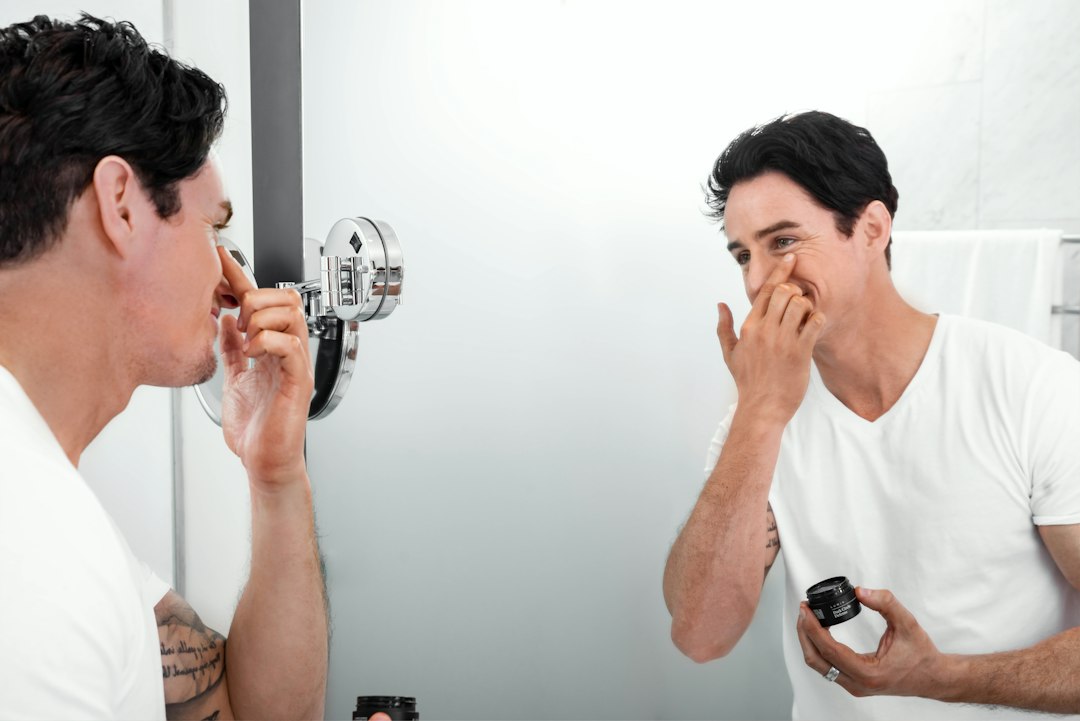
Ingredients in eye-area products can help to some degree with puffiness and with how the area looks. Keep your expectations realistic, though.
- Caffeine: Often used to temporarily constrict blood vessels and ease puffiness. It works right away, but the effect is temporary.
- Niacinamide: Supports soothing and the skin barrier, which can help keep the eye area calm and smooth.
- Hyaluronic acid: Adds moisture to the skin around the eyes, which can soften fine lines and rough patches that stand out more when skin is dry. (I explained how to use it in what hyaluronic acid does for skin.)
- Retinoids: Used to improve fine lines and texture, but they don’t get rid of structural eye bags. The eye area can be sensitive to irritation, so if you use one, follow the product directions and a professional’s advice on how to use it.
In short, skincare ingredients improve temporary puffiness, texture and hydration. They can’t remove structural eye bags, such as fat that has pushed forward.
When eye bags are structural
Some puffiness lasts all day, especially bags that came with age or run in the family. It comes from changes in the fat and tissue around the eyes. Sadly, that kind of structural change is hard to reverse with an eye cream or serum.
If you want a visible improvement here, medical treatment is an option. Fillers can fill in the tear trough to soften the edge, and lasers and resurfacing smooth out skin texture. Eyelid surgery (blepharoplasty) removes or repositions loose skin and fat. All of these are medical decisions, though. How long the results last, the cost, the side effects and the recovery time all vary, and results differ from person to person. So the right move is to talk directly with a qualified specialist, not to go by reviews or blogs. Getting an accurate diagnosis first will save you more time and money than sticking with skincare for months.
See a specialist if the puffiness keeps going or gets worse even after you’ve changed your habits, if only one eye swells or changes shape, or if you’re thinking about filler or surgery. Sudden swelling, especially with pain, redness or itching, and changes on just one side can point to an allergy or another health problem. A dermatologist or ophthalmologist is the safe call there.
Covering eye bags with makeup
Eye bags are a puffiness problem, not a color problem. If you cover them with a bright concealer the way you would dark circles, they can actually stand out more. Highlighting the puffy part too much makes it catch the light and pop. If you want to disguise them, don’t brighten. Instead, use a tiny amount to gently even out the shadow underneath. (For concealer basics, see how to cover dark circles with concealer. Just remember that eye bags need a different approach than covering up color.)
By the way, eye bags aren’t the same thing as aegyo-sal, the little fullness under the eye that Korean makeup plays up on purpose. Aegyo-sal is a narrow strip of fullness right under the lash line. An eye bag is a wider puffiness below that. (I covered aegyo-sal makeup in how to do aegyo-sal makeup.)
What shoppers asked me at the counter
When I was working at a Korean beauty shop in Vancouver, I’d often get asked, “If I switch eye creams, will the puffiness under my eyes go away?” The first thing I’d ask back was, “Is it worse in the morning and calmer by midday, or about the same all day?”
If it was the morning kind, I’d start with lifestyle changes like sleep, less salt and cold compresses. If it stayed all day, I’d honestly tell them, “Products only go so far with this, so a specialist will give you a more accurate answer.” Switching products over and over and hoping one works costs money and time. Knowing which type of eye bags you have saves both.
Know your type first
Before you go looking for a way to get rid of eye bags, start by figuring out which kind you have.
If it’s temporary puffiness that’s worse in the morning and settles by midday, getting enough sleep, cutting back on salt, using cold compresses and managing allergies can help ease it. If it’s structural eye bags that last all day, skincare has its limits, and that’s a job for a specialist and medical treatment. If the issue is darkness rather than puffiness, that’s dark circles, which need their own care. Skincare ingredients like caffeine, niacinamide and hyaluronic acid give temporary, cosmetic improvements, but they don’t remove the structure itself.
Under-eye puffiness doesn’t always have the same cause. Knowing that much can help you find care that fits your situation, instead of switching between products that don’t suit it.