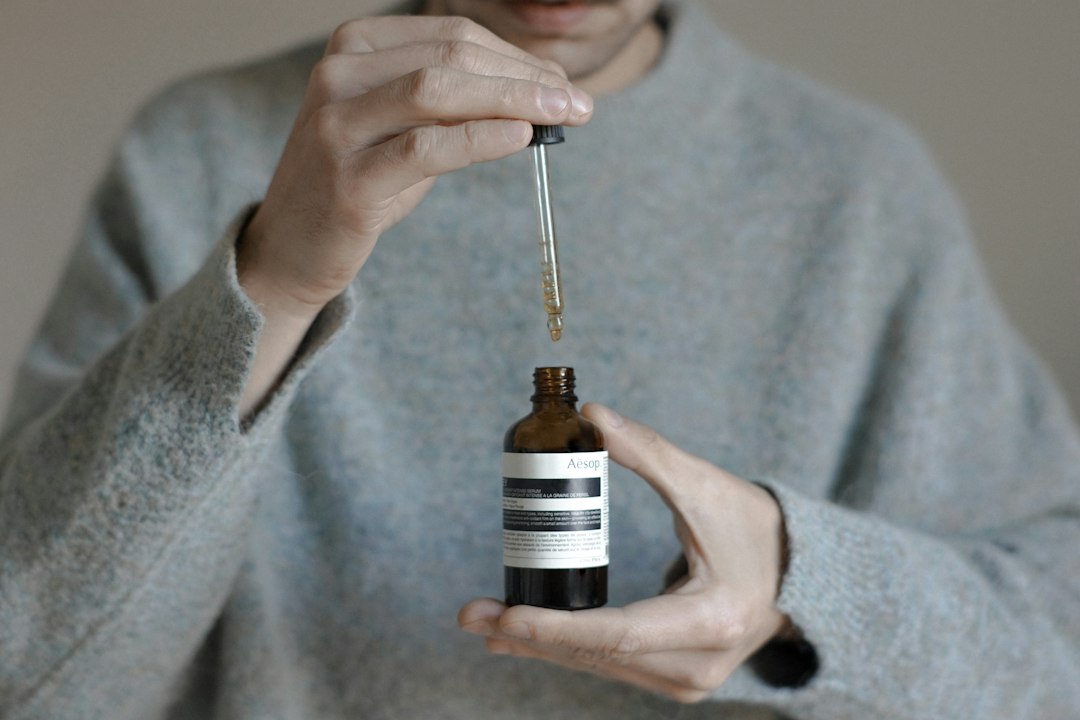
Photo by Cosmin Ursea · Unsplash
Hyaluronic acid is so closely tied to hydration that people call it a “moisture bomb.” So it’s confusing when you put it on faithfully and your skin ends up feeling tighter and drier, especially in winter or in a heated, dry room. You’ve probably had that happen at least once. Most of the time the ingredient isn’t the problem. How you use it, and the air around you, usually are.
So what does hyaluronic acid do for skin? In this post I’ll go over what it actually is, how it holds on to water, why some days it seems to make tightness worse, and how to use it so that doesn’t happen. Here’s the short answer up front: with hyaluronic acid, how you apply it matters about as much as how much you use.
This post is general ingredient information. Hyaluronic acid is usually gentle, but patch test any new product first, and stop using it if you notice stinging or redness. If your skin stays very dry or starts cracking even with good care, it’s worth seeing a dermatologist.
What is hyaluronic acid?
Hyaluronic acid is something your skin already makes. Dermatologist Fayne Frey explained in a Healthline interview that “almost half of the body’s hyaluronic acid is found in skin.” As a skincare ingredient, it works as a humectant, meaning it pulls in water and holds on to it. It can hold up to several hundred times its own weight in water, which is why you’ll also hear it called a “moisture magnet.”
On an ingredient list, you’ll see it as Hyaluronic Acid, but also as Sodium Hyaluronate or Hydrolyzed Hyaluronic Acid. Sodium hyaluronate is a salt form with a smaller molecule, and formulators use it a lot.
A quick word on molecular weight
You don’t need to go deep here, but hyaluronic acid behaves a little differently depending on the size of the molecule. High molecular weight HA stays on the surface of the skin, giving you instant hydration and a smooth film. Low molecular weight HA travels a bit further into the upper layers, and in some studies on fine lines it has shown comparatively better results.
That doesn’t mean “low molecular weight is always better.” A lot of products now blend several sizes to target different aspects of hydration at the same time. As a shopper, you’ll get more out of applying it to damp skin and sealing it in properly than out of comparing molecular weights.
Why it can feel tighter the more you use
This is the part people mix up most. Hyaluronic acid is a humectant, so it helps attract and hold water rather than creating water itself. How well it hydrates your skin depends on more than humidity, though: your skin barrier, the moisturizer you pair it with, and the formula all play a part. In winter, or indoors when the heating has dried out the air, don’t just apply hyaluronic acid and leave it there. Put a moisturizer on top to cut down on water loss. In a dry environment, a hyaluronic acid serum on its own usually won’t give you enough moisture, so pair it with a cream or lotion. That’s why, in dry climates like Canada’s or in a heated room in the middle of winter, you hear the question “Why does my skin feel tighter after hyaluronic acid?” It comes down to the environment and how the skin is being moisturized.
How to use it properly
Once the logic clicks, using it is simple. There are two key points:
- Apply it to damp skin. Put it on right after cleansing while your face is still a little wet, or right after a toner has added some water. Applying it to damp skin helps add hydration, and finishing with a moisturizer keeps that water from evaporating as easily.
- Seal it in with a moisturizer. Follow hyaluronic acid with a cream or moisturizer to lock the water in. A moisturizer with barrier-supporting ingredients like ceramides is an especially good match. (I covered this separately in what ceramides do for your skin.)
In terms of order, the thin hyaluronic acid serum goes on first and the richer cream goes on top. (This ties into how to layer skincare, too.) The drier the season, the more this “apply to damp skin, then seal” habit matters.
What you can realistically expect

Photo by Camille Brodard · Unsplash
There’s a fair amount of evidence behind topical hyaluronic acid. Several studies have reported improved skin hydration and elasticity and a reduction in wrinkle depth (JDD study). There’s also an instant effect: right after applying it, skin looks plumper and smoother.
Still, keep your expectations realistic. In the same Healthline piece, Dr. Frey says hyaluronic acid replenishes moisture in the outer layer of skin so it looks healthier, but she draws a clear line at claims that it reverses aging, calling them “marketing hype.” The fair way to think of it is as a hydrating ingredient that plumps skin and makes it look smoother. If you expect it to erase wrinkles like a treatment, you’ll probably be disappointed. You’ll feel the hydration right away, but changes like smoother texture take at least a few weeks of steady use to show.
Who is it for?
It works for most skin types, from oily and combination skin that just wants a light layer of hydration to dry skin. If your skin is sensitive, though, patch test a new product first.
One caution: a higher concentration doesn’t automatically mean better. Rather than looking only at the percentage, look at the whole formula, what other moisturizing ingredients it’s paired with, and the conditions you’ll be using it in.
What customers asked me at the shop
When I was working at the Korean beauty shop in Vancouver, winter brought a lot of the same question: “I bought a hyaluronic acid serum, but my skin feels tighter when I use it.” Many people were wondering if they needed to switch products. In most cases, though, the product wasn’t the issue. They were putting it on dry skin and not covering it with anything.
When I suggested adding water with a toner first, then applying the hyaluronic acid, then sealing it with a cream, some came back saying the tightness had eased. Hyaluronic acid works best as part of a moisturizing routine rather than on its own. Give it some hydration to work with, then follow with a moisturizer, and you’re much less likely to end up with that tight feeling.
Getting the most out of hyaluronic acid
Hyaluronic acid is a humectant that pulls in water and holds on to it. Because it needs moisture nearby to work, in a dry environment the way you apply it makes a big difference to the result.
- Apply it to damp skin (or right after toner)
- Seal it in with a moisturizer or cream
- Focus on the formula and how you use it instead of obsessing over molecular weight
- Expect hydration and smoother-looking skin, but treat claims that it “cures” wrinkles as hype
Finding a good hyaluronic acid product matters, but so does the routine around it: damp skin first, moisturizer on top.