When winter rolls around, I hear the same thing over and over: skin feels tight, dry, uncomfortable. And the trend that always comes up in that conversation is slugging. Customers asked me about it, and I’ve tried it on my own skin through the cold months. So let me start with the basic question: what is slugging, really — and is it right for your skin?
Most people already know slugging is a trend. What they really want to know is “Is it right for my skin? Could it make me break out?” So today I want to walk through what slugging is, how to do it, and who it suits and who should steer clear — the reasoning behind it plus what I’ve experienced firsthand.
⚠️ This article is for general information. Everyone’s skin is different, so if you’re acne-prone or break out easily, approach this one carefully.
What Is Slugging — It Doesn’t Add Moisture, It Locks It In
Slugging means applying a thin layer of an occlusive product — something like petrolatum that forms a protective barrier on the skin’s surface — as the very last step of your routine, to reduce water loss overnight. The name comes from the fact that your face ends up looking shiny, like the trail a slug leaves behind. (Petrolatum is the main ingredient in products like Vaseline.)
- Petrolatum creates a thin protective film on the surface of the skin, and it’s known to significantly reduce water evaporating out of the skin (transepidermal water loss, or TEWL).
- The key point: slugging doesn’t “add” moisture — it “traps” the moisture that’s already there. That’s why it only makes sense after you’ve properly hydrated your skin with serum and moisturizer, as the final layer.
- The easiest way to think about it is that it takes the principle of using an occlusive to cut down water loss and applies it to home care.
Put simply, slugging isn’t a step that delivers hydration into the skin — it’s a way of building a protective layer over already-moisturized skin to reduce water loss.
⭐ Who It Suits, and Who Should Skip It
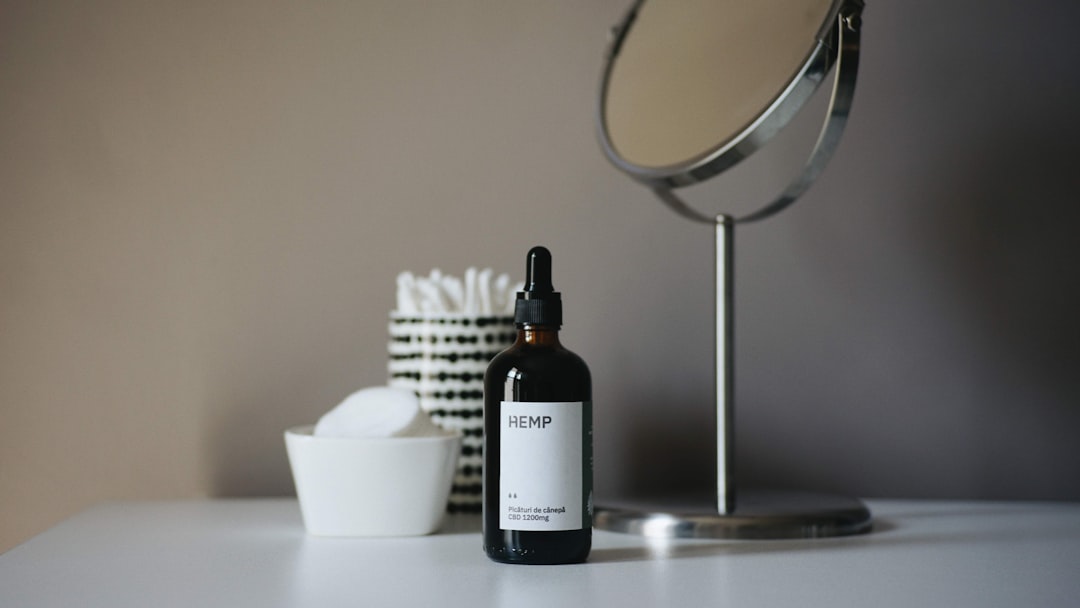
Photo by Cosmin Ursea · Unsplash
This is the most important part of the whole article. Slugging is not for everyone.
- Usually a good fit → dry, dehydrated skin that feels tight and rough, and it may also be helpful when the skin barrier feels weakened or the skin is especially dry and sensitive.
- Better to avoid → oily and acne-prone skin. Because slugging creates a strong occlusive layer, some people may find it feels too heavy or may experience breakouts depending on their skin type and condition. If you break out easily, it’s better to test it on a small area first to see how your skin reacts, rather than slugging your whole face.
💡 Vaseline itself isn’t classified as a pore-clogging (comedogenic) ingredient. But applying it over unwashed skin, active breakouts, or recently irritated skin may not be a good idea — the occlusive layer can make the area feel heavier and may worsen irritation or breakouts in some people. That’s why it matters to understand the method — occlusion itself — rather than just the ingredient.
⭐ What It Was Actually Like — A Winter Treat, Not a Nightly Habit
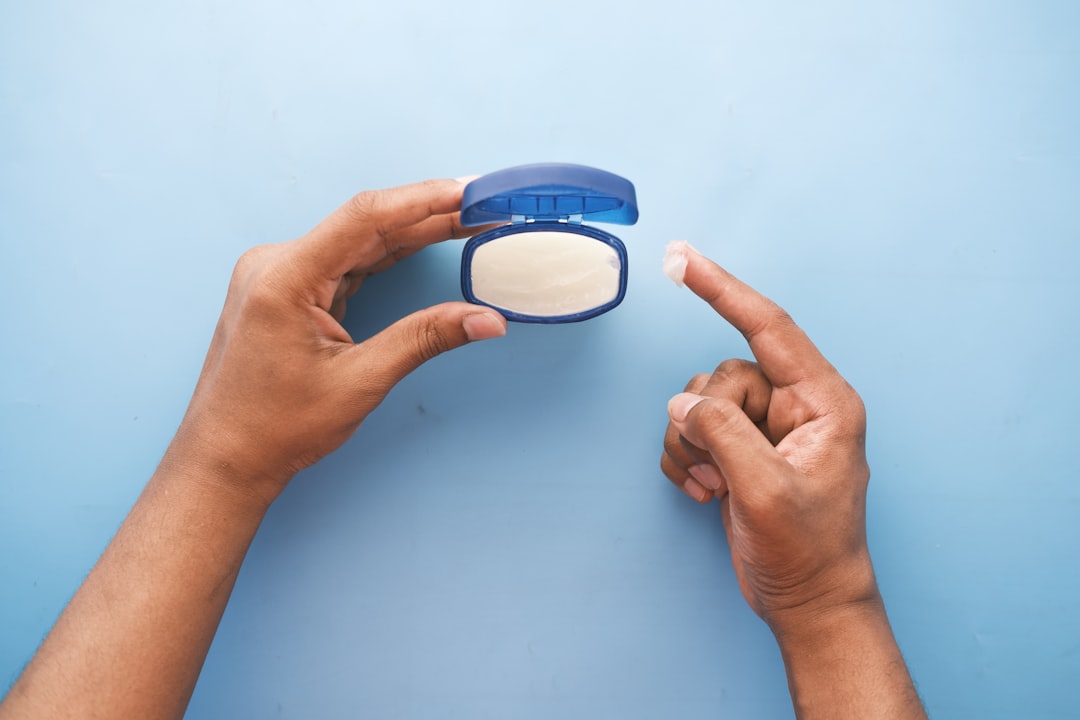
Photo by Towfiqu barbhuiya · Unsplash
On those winter days when my skin felt especially dry and tight, I tried it myself using Vaseline, which is petrolatum-based, because occlusives are supposed to lock moisture in.
- Honestly, going on it felt thick and heavy. It’s such a rich texture that spreading it without tugging at my skin wasn’t easy.
- But as time passed, the heaviness gave way to a soft glow, and my skin definitely felt less tight when I washed my face the next morning — that part I liked.
- That said, the texture is so dense that it’s not my personal preference as a nightly routine. What did work was using it occasionally as an intensive treatment in winter, after being outdoors, when my skin felt tight and rough.
So for me, slugging ended up being less of a daily routine and more of an occasional treat for days when my skin is unusually dry.
How to Do It
The method itself is simple, but the order and a few precautions really matter.
- Start with clean skin — cleanse first, then begin. (Don’t seal it over unwashed skin.)
- Hydrate first, occlude last — after you’ve prepped your skin properly with toner, serum, and moisturizer, add a thin layer of occlusive at the very end.
- Thin, and spot-apply if you like — there’s no need to slather it on. You can use it just on the driest areas.
- Be careful on active nights — on days you’ve used potentially irritating actives like retinol or AHA/BHA, it’s better to skip slugging or proceed with caution. Especially if you’re trying it for the first time, it’s safer to keep your routine simple and focused on hydration and moisture.
- You don’t have to do it every night — save it mostly for the days your skin is struggling, and adjust the frequency based on how it reacts.
- Mind the practical side — it can transfer onto your pillow overnight, so plan around that in whatever way works for you.
Common Misconceptions
- “Just put on Vaseline and your skin will be hydrated” → If you seal without having added moisture first, your skin may not feel as hydrated as you expected. Fill first, then seal.
- “The thicker and more often, the better” → Not true. Applying it thickly and nightly feels heavy, and depending on your skin type it can lead to breakouts.
- “It’s a trend that’s good for everyone” → For oily and acne-prone skin, it can actually be too much.
Final Thoughts
Slugging really comes down to two things — hydrating first and sealing last, and checking whether it suits your skin type before you commit. It can help if you have dry skin or if your skin is feeling especially tight, but if you’re oily or acne-prone, be cautious. Rather than pushing through it nightly just because it’s trending, it’s far more realistic to treat it as a card you pull out occasionally, on the days your skin is having a hard time.
References
- Cleveland Clinic — Slugging: Does This Skin Care Trend Work?
- Dermatology Times — Social Media Mythbusters: Slugging
This article is for general information purposes. Product feel and skin reactions vary from person to person and depend on your skin condition. If you experience breakouts or any adverse reaction, stop using the product and consult a professional if needed.