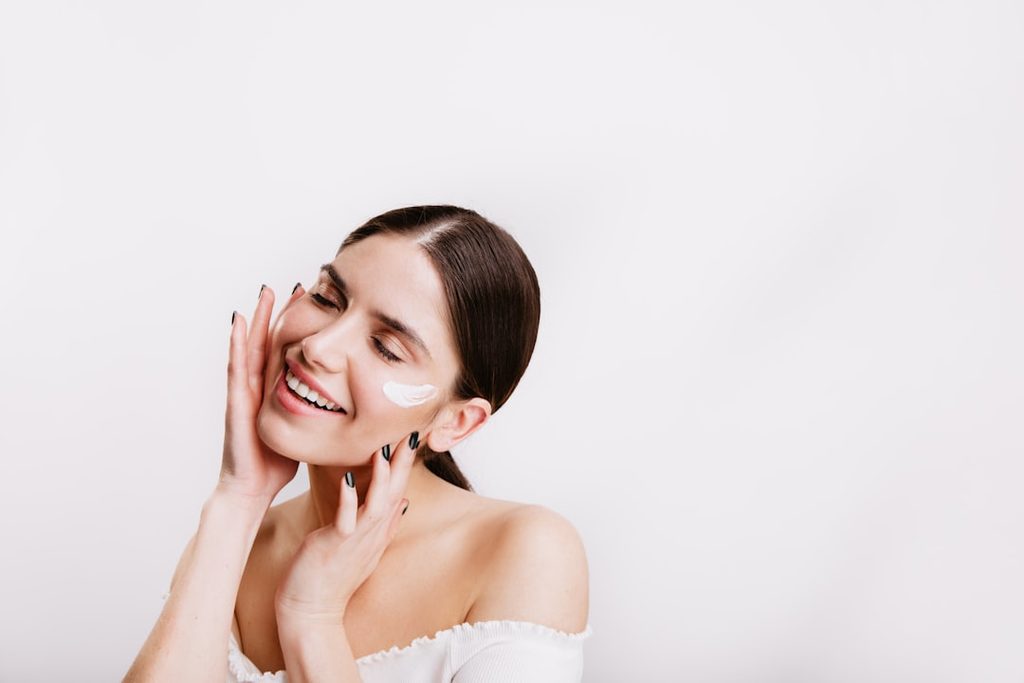
Photo by Look Studio · Unsplash
When I was working at a K-beauty shop in Vancouver, scrub and peeling products were something shoppers asked about a lot. The reason makes sense — when dead skin builds up on the surface, it can make your texture look rougher, and when dead skin cells and sebum build up and contribute to clogged pores, they can play a role in breakouts.
When I gave treatments as an esthetician, exfoliating with a scrub or peel came right after cleansing — I’d smooth away buildup, then massage the freshly exfoliated skin before applying product. The catch is that professional treatments like that cost time and money, which is why a lot of people manage exfoliation at home instead. The key is picking “the product that’s actually right for your skin.” Here’s how to exfoliate properly, and what to do afterward.
Why Exfoliate?
Skin naturally sheds old dead skin cells as it renews itself, but when that process slows down, dead skin can build up on the surface and make your texture look rough and dull. Exfoliating clears away that surface buildup so your skin feels smoother.
You’ll sometimes hear that “thick dead skin blocks product absorption” — but that claim deserves a little skepticism. Clearing away dead skin does smooth your texture and make products feel nicer going on, but rather than treating it as “dead skin = absorption completely blocked,” it’s more realistic to think of exfoliation as texture maintenance.
Physical vs. Chemical Exfoliation
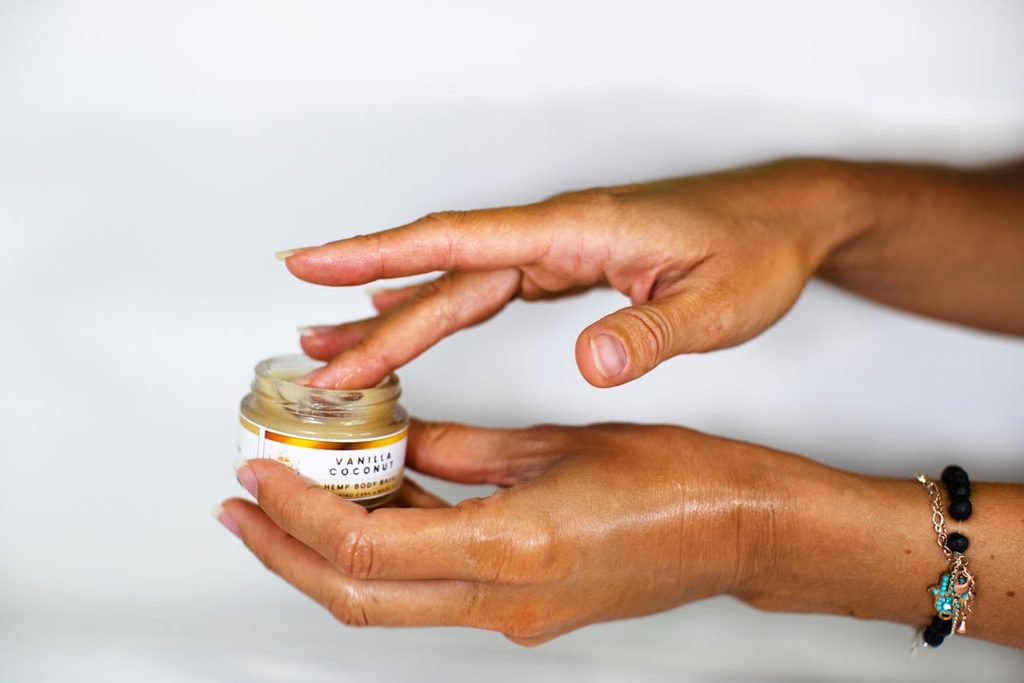
Photo by Pharma Hemp Complex · Unsplash
Exfoliation generally falls into two categories: physical and chemical.
- Physical — scrubs, peeling gels, gommage-type products that use rubbing/friction to physically remove buildup.
- Chemical — acids such as AHA, BHA, and PHA that help loosen the connections between dead skin cells and promote exfoliation.
That said, don’t judge how a product works just by its name — peeling gels and gommage products can vary a lot depending on the actual ingredients and how you use them. Neither method is automatically “better”; it comes down to your skin condition and how it feels to use.
⭐ The Truth About Those “Peel” Bits in Peeling Gels
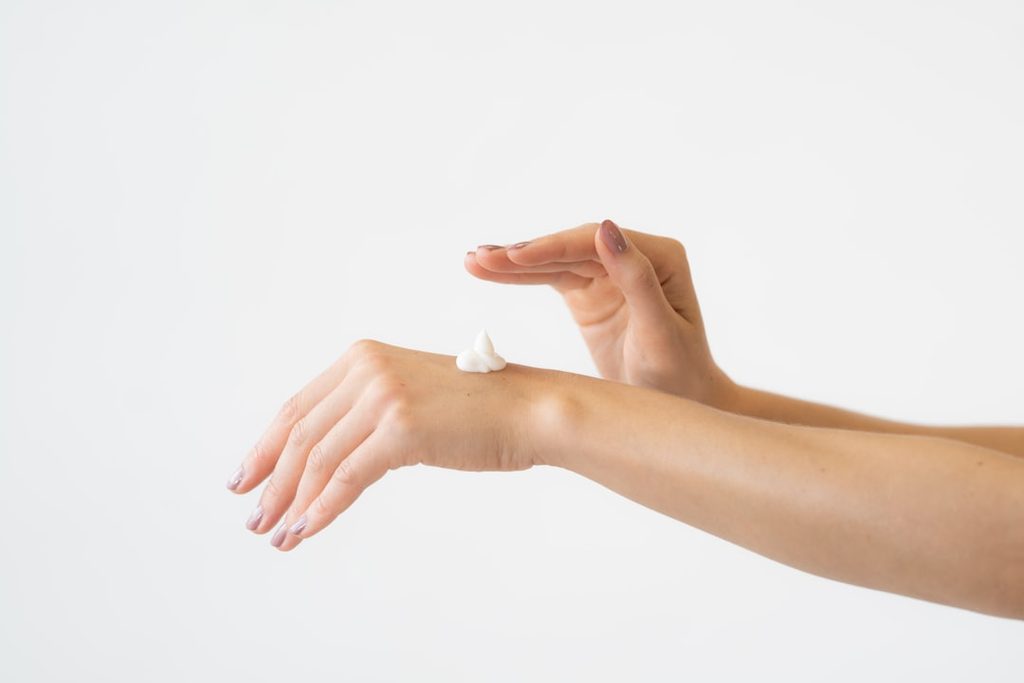
Photo by CRYSTALWEED cannabis · Unsplash
Personally, my favorite type was a thin, serum-like peeling gel. As you roll it across your skin, little balled-up bits appear that you can see and feel, which gives that satisfying “it’s really working” feeling — and afterward, my skin texture really did feel smooth.
But here’s something worth knowing: those bits rolling off aren’t all “dead skin.” Cellulose-type ingredients in peeling gels can clump together during massaging and roll off looking like little granules, and some of that surface dead skin and sebum can mix in with them. So it’s hard to say that most of what you see is dead skin — a significant part of what you see can come from the product itself, rather than being a pile of dead skin cells.
That doesn’t mean peeling gels are bad. Skin can genuinely feel smoother afterward, and some peeling gels can provide a mild physical exfoliating effect. But it’s a misconception that “more bits rolling off = more dead skin removed” — knowing this can save you from feeling disappointed when nothing rolls off, or from scrubbing too hard trying to make it happen.
AHA vs. BHA vs. PHA — What’s the Difference?
Here are three ingredient types worth knowing when choosing a chemical exfoliant.
- AHA (glycolic acid, lactic acid, etc.) — water-soluble, mainly used to refine dead skin on the surface. Commonly used for texture and dull-looking skin. Because some AHAs can increase sun sensitivity, wearing sunscreen and practicing sun protection is especially important while using them.
- BHA (salicylic acid) — oil-soluble, which makes it useful for exfoliating within oily, pore-prone areas. Commonly used for oily skin, enlarged pores, and blackheads. (More on pores in my guide to large pores.)
- PHA (gluconolactone, lactobionic acid, etc.) — generally has a larger molecular size than AHA, so it tends to penetrate more slowly, and it’s known as a comparatively gentle exfoliating ingredient. It can be relatively easier on sensitive skin or if you’re just starting to exfoliate.
If you’re new to exfoliation or tend to be sensitive, starting with a gentler exfoliant and introducing it slowly can be a more cautious approach. A PHA-based product can be one option.
How to Exfoliate: Choosing What’s Right for Your Skin Type
One thing I used to tell shoppers at the counter: repeatedly using a product with rough granules or heavy physical friction can end up irritating your skin. That’s why knowing your skin barrier’s condition before choosing a product matters.
- If your skin is sensitive, flushes easily, or is already irritated → it’s better to avoid aggressive physical scrubbing and consider whether you need to exfoliate at all.
- Testing the texture on the back of your hand can help you judge how gritty a product feels, but it doesn’t predict how your facial skin will react. When using a new exfoliant, start cautiously and follow the product’s directions.
These days there’s a wide range of peeling gels, peeling creams, and scrubs, including plenty of gentler options. So test it out yourself and find what actually works for your skin. (I go into more detail on choosing products in my guide to choosing skincare products.)
How Often Should You Exfoliate?
This is the most important part. Exfoliating isn’t a “more is better” thing. Overdoing it can irritate your skin barrier and trigger signs of over-exfoliation — redness, stinging, flaking, dryness, and sensitivity.
- Start more conservatively than the product’s instructions suggest, or begin at a low frequency, like once a week, and watch how your skin reacts.
- If you’re on the sensitive side, start even less often. My skin is a little sensitive too, so I only exfoliate about once a week. What matters more than upping the frequency is paying attention to how your skin responds afterward.
- If your skin tolerates the product well, you can adjust the frequency according to the product’s instructions rather than assuming that more frequent exfoliation is better.
I’ve written before about how over-cleansing can strip sensitive skin in my double cleansing post — the same principle applies here with exfoliating. Moderation is the key.
⭐ After Peeling or Scrubbing: Your Soothing + Hydration Routine
Right after exfoliating, your skin can feel temporarily more sensitive, so it’s best to focus on soothing and hydration for the rest of that day. You don’t need a five-step recovery routine — the goal is simply to keep the rest of your routine gentle, hydrating, and non-irritating. With that in mind, here’s the general approach I recommended to customers:
- A gentle, soothing toner — pat it in rather than rubbing.
- A hydrating serum — go for something focused on moisture, like hyaluronic acid.
- Soothing ingredients — something calming like centella asiatica (cica). (See my cica ingredient guide.)
- A moisturizer — finish with something containing ceramides.
- The next morning: sunscreen — pay extra attention to sun protection during the day, especially if you used an AHA product. (See my Korean sunscreen guide.)
What I Usually Skip on Exfoliation Day
On days I exfoliate, I hold off on anything that could cause stinging.
- Retinol/retinoids — If your skin is prone to irritation, combining them with exfoliation can be too much, so I usually separate them rather than using both on the same night.
- High-concentration vitamin C and other potent actives — I skip these if my skin feels stingy or sensitive.
- Another exfoliant or a strong scrub — I don’t double up on the same day.
- Hot water cleansing — I use lukewarm water instead.
Instead, I keep the rest of the routine simple and focus on soothing and hydration. (Gentle ingredients like niacinamide are generally well tolerated, but on a day my skin already feels sensitive, I’d rather not layer on extra products.)
Just remember: on exfoliation day, focus on soothing and hydration. That’s really all you need to know.
FAQ
Q. Can I exfoliate every day? A. I wouldn’t recommend it. Daily exfoliation may be too much for many people and can increase the risk of over-exfoliation, especially if your skin is sensitive or you’re using other active ingredients. Start at a low frequency and adjust based on how your skin responds.
Q. Which is better — physical scrubs or chemical acids? A. It’s not about which is “better,” it’s about what suits your skin. If you’re prone to irritation, a gentle formula or a mild ingredient like PHA may be easier on your skin than a coarse physical scrub.
Q. I broke out after exfoliating. A. You may have overdone it, or the product just wasn’t right for your skin. Cut back on frequency and focus on soothing and hydration — but if the redness or stinging is severe or doesn’t go away, it’s best to see a dermatologist.
Q. Does exfoliating get rid of pores? A. Pores themselves don’t disappear. But clearing away buildup and sebum can make them look less noticeable. It’s more realistic to think of it as texture maintenance than expect too much.
Wrap-Up
Exfoliating isn’t about scrubbing hard and often — it’s about refining your skin at a pace that matches your barrier’s condition, and looking after it with soothing and hydration afterward. Two things are worth remembering: the “bits” that roll off a peeling gel aren’t all dead skin, and over-exfoliating can actually irritate your skin barrier. Keep those two in mind and you’ll know how to exfoliate a lot more safely.
Sources & Further Reading
- U.S. FDA — Alpha Hydroxy Acids
- U.S. FDA — Beta Hydroxy Acids
- American Academy of Dermatology (AAD) — How to Safely Exfoliate at Home
- Lab Muffin Beauty Science — Do peeling gels really peel off my skin?
- CeraVe — Exfoliating Without Disrupting Your Skin Barrier
This article is for general information only and isn’t medical advice. If you experience severe or ongoing irritation, please consult a dermatologist.