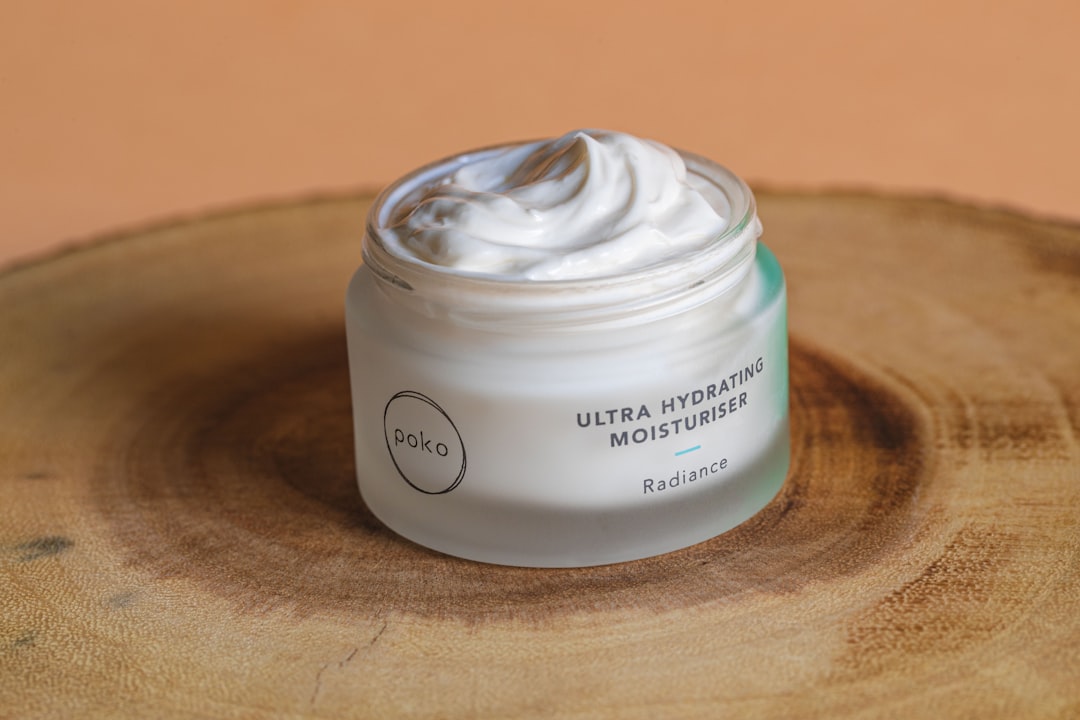
Photo by Poko Skincare · Unsplash
Does your fall skincare routine really need to change when the weather turns? When I was behind the counter at a K-beauty shop in Vancouver, there was a noticeable uptick in this kind of conversation once summer ended and the air started to cool down.
“My skin was totally fine all summer, and now my cheeks feel tight and flaky out of nowhere.”
“I think the product I’ve been using stopped working for me, so I came in to switch.”
But once we actually talked it through, it usually wasn’t that the product had suddenly gone bad — it was that skin reacts differently when the season changes. A routine that worked beautifully in summer can suddenly feel like it’s not enough once fall arrives and the weather starts to shift. So today I want to lay it out the same way I used to explain it at the counter: why your skin changes during seasonal transitions, and how to adjust your fall skincare routine.
This article is for general information. Skin and how it reacts vary from person to person, and if you’re dealing with cracking or serious sensitivity that lingers, it’s worth seeing a board-certified dermatologist.
Why Your Skin Changes During Seasonal Transitions
As fall sets in, temperature and humidity drop together. Add indoor heating on top of that and the air gets even drier. In conditions like these, skin can lose moisture more easily, and the skin barrier may come under more stress.
The result is exactly what most of us notice: tightness, flaking, a dull rough texture, and skin that feels more reactive than normal. Your first instinct might be “do I need to switch products?” — but often the real first step is matching your routine to the change in environment.
Why You Can’t Just Keep Running Your Summer Routine
Summer routines are usually built to feel light and fresh. With more oil and sweat in play, you lean on lightweight gel textures and oil control. But once the weather starts drying out, that same light routine can start to feel like it isn’t doing enough.
If the lightweight routine you’ve been using suddenly feels tight or drying, that’s less a signal to replace everything and more a signal to add a little more moisture. How much you need depends on whether your skin is dry or oily and what the humidity is like indoors. A good number of the people who told me at the counter that a product “stopped agreeing with them” had actually just carried their summer routine straight into fall.
Summer → Fall → Winter: Stepping Up Your Textures Gradually
Honestly, I shift my textures a little every season too. For reference, here’s how my own progression goes.
- Summer: a hydrating gel that feels fresh rather than heavy, plus a soothing serum on days when time outdoors left my skin irritated — keeping it light.
- Seasonal transition (right now): once mornings and evenings turn cool and my skin starts feeling tight right away, I gradually add weight with a more hydrating serum or essence plus a moisturizing cream. Not a total overhaul all at once — more like getting ready slowly.
- Winter: when it gets colder and my skin feels dry, I go one step further with a richer cream. It’s about scaling the level of moisture to the season.
The point isn’t to jump straight from “summer product” to “winter product.” It’s to notice the signs that the weather is turning (tightness, rough texture) and step your textures up a half-beat early, a little at a time.
How to Adjust Your Fall Skincare Routine
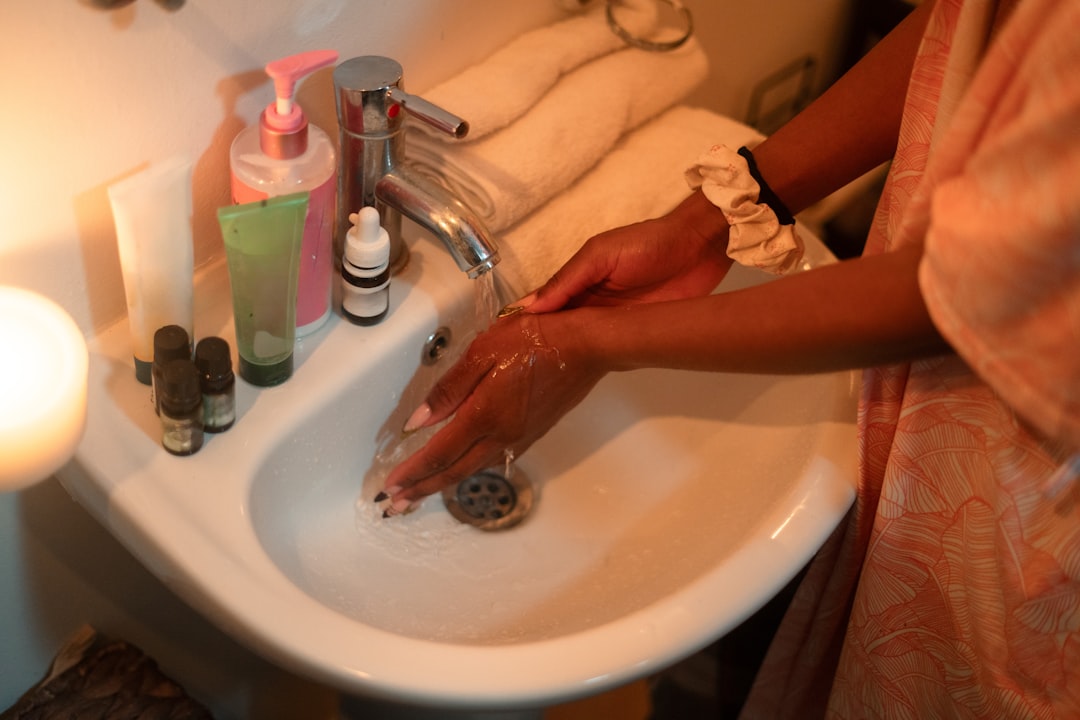
Photo by Christian Agbede · Unsplash
Rather than declaring one right answer, let me lay out the direction I often used to suggest at the counter. In fall, I usually focus on keeping skin well moisturized without making the routine more complicated than it needs to be.
- Cleanse more gently. Long, hot showers can strip too much oil and leave you drier. Use lukewarm water, choose a gentle cleanser, and keep it short. I’d suggest scaling back on the stronger cleansing products you used in summer.
- Add more hydration layers. One approach is to replenish moisture with products containing humectants like glycerin and hyaluronic acid, then follow with a moisturizer containing ceramides or emollients to reduce water loss.
- Go a little heavier on your cream. If the light gels and lotions from summer feel like they’re falling short, try switching to a richer cream — especially on dry cheeks and around the eyes.
- Take actives slowly. If you’re using retinoids or exfoliating acids, don’t crank up the strength just because summer is over. If your skin is already dry or sensitive, dialing frequency back until it settles is the better move.
- Mind the air when the heating’s on. When heating dries out the air indoors, your skin tends to dry out along with it. Keeping indoor humidity at a comfortable level can also help.
- Sunscreen doesn’t take a season off. Cloudy, cooler days are not the time to stop wearing sun protection. (I covered how much to use and how to apply it in my post on applying sunscreen properly.)
A Simple Fall Routine (For Cool, Dry Weather)
Cool mornings and evenings, dry indoor air from the heating — that’s the reality for most people living in Canada. In that situation, the basic principle is simple: cleanse → hydrate → moisturize → (in the morning) sun protection. The toners, essences and serums in between are optional steps you add as needed.
Morning
- Wash with lukewarm water
- Hydrating toner or essence (optional)
- Hydrating serum (if you use one)
- Moisturizing cream — go a bit richer if you feel tight
- Sunscreen, SPF 30 or higher
Evening
- Remove makeup and sunscreen with gentle cleansing
- Hydrating toner or essence (optional)
- Serum — on active days, apply thinly and go slowly
- Moisturizing cream → on dry days, step up to a richer cream
Easy Things to Miss
- Don’t change everything at once. If you swap out your whole lineup just because the season turned, it’s hard to tell what’s working and what isn’t, and irritation can stack up. Changing one thing at a time and watching how your skin responds is safer.
- Check new products first. Read the directions and cautions, and if your skin is sensitive, testing on a small area first to see how it reacts can help.
- Don’t over-exfoliate. This is a season when skin gets dry and reactive, so exfoliating hard or often can actually break the barrier down more. (For exfoliation in general, see my post on exfoliating.)
- Keep it simple when skin is reactive. When your skin is dry and sensitive, rather than piling on new actives, the priority is creating conditions where skin can settle — gentle cleansing and enough moisture. (See my post on the skin barrier, and for reactive days, my sensitive skin routine post.)
When to See a Professional
- When it goes past dryness into cracking, chapping, or red peeling skin
- When nothing improves no matter how much you moisturize and itching or stinging lingers
- When an existing skin condition like eczema flares up during seasonal changes
In cases like these, moisturizing alone may not be enough, so it’s worth seeing a board-certified dermatologist.
To Sum Up
When your skin acts up during a seasonal transition, it’s usually not because your product went bad — it’s because the season changed and your routine didn’t.
In the end, there are three things I pay the most attention to in fall. Cleansing gently, moisturizing as much as you actually need, and keeping the routine simpler if your skin has gotten reactive. You don’t need to throw out products that worked well in summer. Pay attention to what your skin is telling you, moisturize a little more when you need to, and adjust one thing at a time. That’s really what I think matters most when the seasons change.