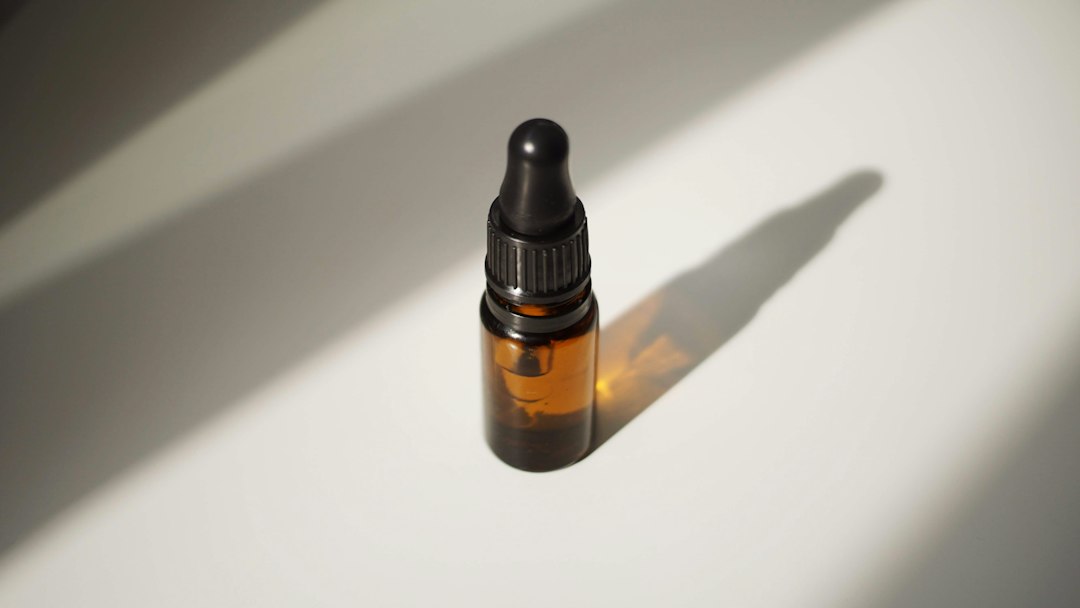
Photo by Cosmin Ursea · Unsplash
Once winter hits and the heating comes on, the air dries out fast. There are days when my skin still feels tight underneath no matter how much I put on. So when I go looking for hydrating ingredients around this time of year, one name keeps popping up: snow mushroom (also called white fungus), often marketed as ‘vegan hyaluronic acid.’ The nickname makes it sound like a big upgrade on hyaluronic acid. I studied esthetics, so I wanted to sit down and sort out the snow mushroom vs hyaluronic acid question for myself.
What Is Snow Mushroom?
Snow mushroom comes from a white mushroom called Tremella fuciformis. It’s also been eaten as food in East Asia for a long time. What goes into skincare is the polysaccharide extracted from the mushroom, and it works as a humectant, meaning it helps attract and retain moisture.
Why It’s Called Vegan Hyaluronic Acid
Hyaluronic acid is probably the best-known humectant out there. Snow mushroom has a similar ability to attract and retain moisture, which is why the beauty industry sometimes calls it ‘vegan hyaluronic acid.’ Since it comes from a mushroom, it’s a handy option for vegan formulas that skip animal-derived ingredients. (Small detail: mushrooms aren’t plants. They’re fungi.)
That said, it’s not chemically the same thing as hyaluronic acid. The more accurate way to put it is that the two are used for a similar purpose and share some of the same moisturizing action. And ‘vegan’ only means no animal-derived ingredients were used. It’s not a promise that a product is less irritating.
Does It Actually Work?
There is some research pointing to real moisturizing potential. But it’s worth being honest about how strong that evidence is.
Studies and formulation tests looking at Tremella polysaccharides have reported positive results for keeping skin hydrated and reducing water loss (TEWL) (one 2023 formulation study). The catch is that each study used different types of extract and different methods, and there still isn’t solid clinical evidence comparing it head to head with hyaluronic acid. A 2023 review on the skin effects of snow mushroom also mentions its moisturizing potential, but notes that much of the evidence comes from preclinical work like cell and animal studies, so more human clinical trials are needed before its effects on real skin can be confirmed.
So saying it ‘can help hold in moisture’ is reasonable. You do need to separate that from the hype you’ll often see, though:
- “It holds hundreds of times its own weight in water.” This is marketing language built around snow mushroom’s water-holding ability. But a lab measurement of a raw ingredient doesn’t translate directly into how moisturizing a finished product is. How it feels and how well it hydrates depend on the extraction method, the structure of the polysaccharide molecules, and the formula.
- “Its particles are smaller than hyaluronic acid, so it penetrates deeper.” Some brands lean on this, but it isn’t a general fact that applies to all snow mushroom extracts. The properties change with the extraction method and molecular weight, so any ‘deep penetration’ claim needs evidence for that specific product.
- Wrinkle reduction, collagen production, long-term changes. The evidence for these just isn’t there yet. Snow mushroom is basically an ingredient to expect hydration from, and that’s it.
Snow Mushroom vs Hyaluronic Acid
Here’s how they stack up. What they share is the job itself: both are humectants that draw in water, so they do very similar work.
What’s missing is any proof that one is ‘better.’ Claims that snow mushroom beats hyaluronic acid usually come from whoever is selling it, and based on current evidence, it’s hard to say either one clearly wins the snow mushroom vs hyaluronic acid matchup.
Hyaluronic acid has been studied longer and more extensively, and it’s in a lot more products. (If you’re curious about HA itself, check out my post on what hyaluronic acid does for skin.)
Snow mushroom is a good pick if you like mushroom-derived ingredients or you’re shopping for vegan skincare. Just keep in mind that whether a product feels light or sticky depends more on the overall texture and formula of the product than on the ingredient itself.
Who It Suits
- Anyone looking for vegan skincare options
- Oily and combination skin looking for lightweight hydration. Don’t just go by the ingredient name; check the product’s overall texture and oil content too.
- Dry skin that feels tight underneath in winter, as a hydrating layer
How to Use It
Snow mushroom helps attract and retain moisture, so it works on the same principle as hyaluronic acid. That means in dry conditions (winter, blasting heaters), you shouldn’t stop at a humectant. Pair it with something like a cream or oil that cuts down on water evaporating from the skin’s surface. Hydrate with a toner or serum first, then seal it in with a cream, and your skin will hold onto that moisture much better.
It’s fine to use alongside hyaluronic acid (both are gentle humectants). And with any new product, always patch test a small amount first.
FAQ
Q. Can I use it together with hyaluronic acid? Yes. Both are commonly used as humectants, so there’s generally no issue with layering them together. Just finish with a cream afterward to help reduce moisture loss.
Q. Can I use snow mushroom and hyaluronic acid in the same product? Yes, and you don’t necessarily need two separate products to use both. Some formulas already contain both snow mushroom extract and hyaluronic acid, so if layering several serums feels like too much, you can look for one product that includes both. Just remember that having both ingredients in one formula doesn’t automatically mean better results. The overall formulation and how your skin responds still matter.
Q. Since it’s vegan, isn’t it weaker? That’s a misconception. There’s research showing positive results for moisturizing (though solid clinical trials comparing it directly with hyaluronic acid are still lacking). Neither ingredient is a ‘powerful treatment.’ Both are there to hold in moisture, and that’s the same for each.
Q. Is it okay for sensitive skin? It’s generally on the gentle side, but everyone’s skin is different. Test a small amount of any new product first, and you’ll be safer choosing formulas with fewer potential irritants like fragrance.
Where Snow Mushroom Fits
In the snow mushroom vs hyaluronic acid debate, snow mushroom isn’t a ‘miracle ingredient that outperforms hyaluronic acid.’ It’s a good hydrating option that does similar work (and it comes from a mushroom, which is a fungus). If you’re looking for vegan skincare or a product with a lightweight formula, snow mushroom may be worth considering, and it works well for layering hydration in winter. One thing to remember: in dry conditions, following a humectant with a moisturizer can help reduce water loss and keep skin feeling hydrated for longer.