Back when I was working the counter at a K-beauty shop in Vancouver, this was the question customers stalled on most often in front of the sunscreen shelf.
“Is this one mineral or chemical?” “I heard mineral is gentler — so does that mean chemical sunscreen is bad for your skin?”
The funny part was that the people asking sat at two opposite extremes. On one side were shoppers who had heard “mineral is better” somewhere and came in repeating it, without really knowing what the difference actually was. On the other side were the detail-oriented ones who read every ingredient list themselves.
But even those careful readers kept tripping over the same spot. They’d flip over a few bottles, spot the words “zinc oxide,” and ask me with total confidence, “This is a mineral one, right?” The thing is, hybrid formulas are so common now that seeing zinc oxide on an ingredient list doesn’t automatically make a product mineral. Clearing up that particular mix-up was part of my job at the counter.
So today I want to walk through it exactly the way I used to explain it in the shop: how mineral, chemical and hybrid sunscreens differ at the level of how they work, how to actually read the ingredient list, and which one might suit your skin.
This article is general information. Skin and reactions vary from person to person, and the same sunscreen can work beautifully for one person and not at all for another. If you have a specific skin concern, talking to a professional is always the most accurate route.
First, what the labels actually mean
Sunscreens get sorted into categories based on the way they block UV — in other words, the type of filter they use.
And there’s one misunderstanding I want to clear up right at the start. People hear “organic” and picture something natural, like organic farming, and hear “inorganic” and picture something synthetic. But in this context, organic and inorganic are chemistry terms. It’s about whether a compound contains carbon or not — it has nothing to do with good versus bad, or natural versus artificial. Sort that out first and the rest gets much easier.
Mineral sunscreen — the one that bounces light away
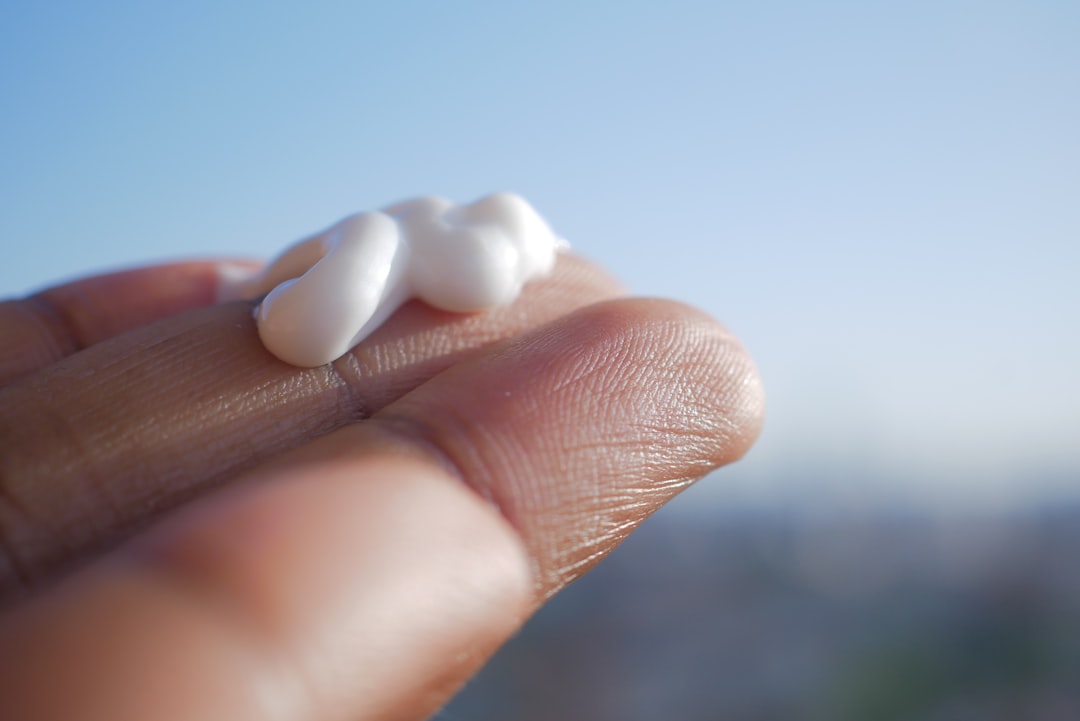
Photo by Towfiqu barbhuiya · Unsplash
Mineral sunscreens rely on two main ingredients: zinc oxide and titanium dioxide. You’ll see them called mineral sunscreen or physical sunscreen.
The usual explanation is that they reflect and scatter UV on the surface of the skin — the mental image is a thin shield sitting on top of your face, bouncing light off. That said, more recent research shows that mineral filters also absorb some UV, so it’s more accurate to think of it as “mostly reflecting and scattering” rather than “100% reflection.”
What people like about them
- Mineral sunscreens use physical UV filters such as zinc oxide and titanium dioxide. Health Canada describes these filters as working by scattering and reflecting UV radiation.
- They’re often considered relatively low-irritation, which is one reason they’re commonly chosen by people with sensitive skin.
- Many people find them less likely to sting the eyes.
What people find frustrating
- White cast is the classic complaint. It can be especially noticeable with a high zinc oxide content, or on deeper skin tones.
- Some people find the texture a bit thick or heavy.
At the counter, the shoppers looking for mineral sunscreen were usually there because “my skin is sensitive” or “I want to share it with my kid.” For those goals it was a sensible pick — but plenty of them came back to say, “It’s way too white on me.”
Chemical sunscreen — the one that absorbs light and releases it
Chemical sunscreens use chemical UV filters. That includes avobenzone, octinoxate and octocrylene, plus the newer filters you see a lot in K-beauty and European sunscreens now, like Uvinul and Tinosorb. In English they’re called chemical sunscreens, or organic sunscreens.
The easiest way to understand how they work is as the reverse of mineral filters. The filter absorbs UV and converts it into another form of energy, such as heat, which is then released. Rather than bouncing UV away, it absorbs the radiation and converts it into a small amount of heat.
What people like about them
- The texture is light and thin, with little to no white cast. They also layer easily under makeup.
- They spread nicely, so a lot of people find them easy to commit to every single day.
What people find frustrating
- Health Canada recommends applying sunscreen at least 15 minutes before going outside and following the specific directions on your product’s label.
- Depending on the ingredients, some people experience eye stinging.
- Certain chemical filters or formulas can cause stinging or a burning feeling for some people. That said, whether something irritates you depends not just on the UV filter type but on the whole formula and your own skin’s condition. (More on this below.)
Hybrid sunscreen — a mix of both approaches
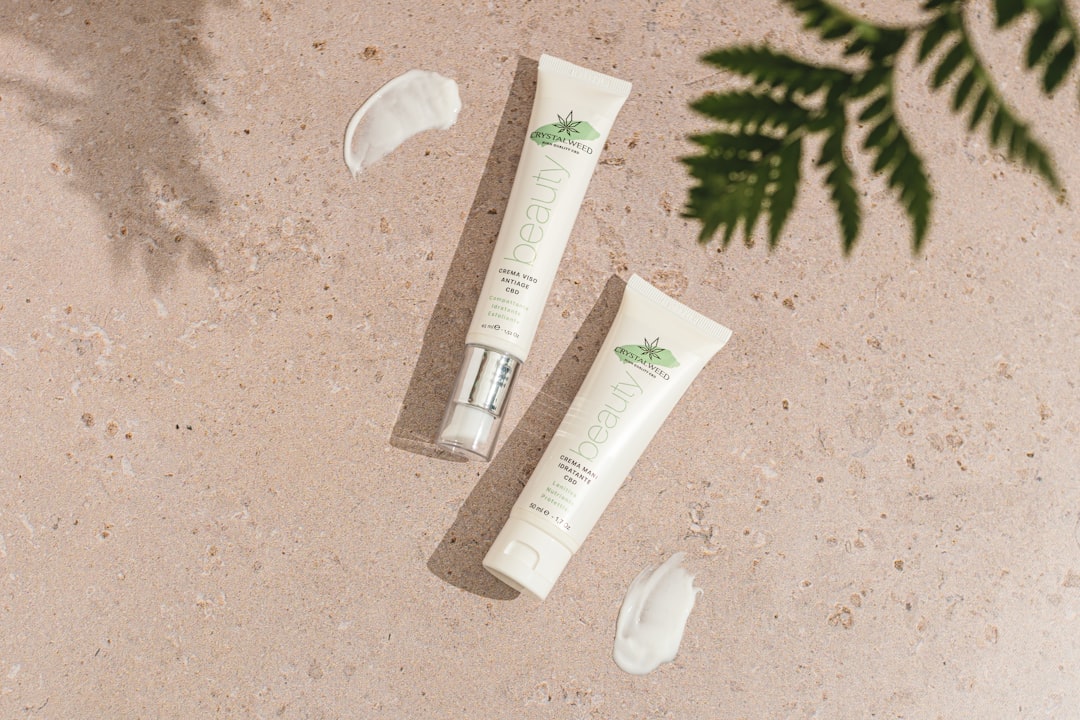
Photo by CRYSTALWEED cannabis · Unsplash
A hybrid sunscreen is exactly what it sounds like: a formula that contains both mineral and chemical filters. Honestly, a good chunk of the sunscreens on shelves right now are hybrids.
The reason for mixing is that each type covers the other’s weak points. The goal is often to balance the characteristics of different UV filters — for example, combining the low-white-cast feel of some chemical filters with the properties of mineral filters. That makes hybrids a realistic middle ground for anyone thinking, “I want less white cast, but I’d still like some of what mineral offers.”
That said, you can’t just declare that hybrids are automatically the best. Which filters, in what ratio, in what kind of base — all of that changes the feel and the irritation potential enormously. Which brings us right back to reading the ingredient list and testing how it actually applies.
Wait — does zinc oxide on the label always mean mineral?
Let’s come back to those customers who found “zinc oxide” on the ingredient list and asked me, confidently, “This is a mineral one, right?” Checking ingredients carefully is a genuinely great habit. But there’s one trap in today’s market that’s easy to miss.
Zinc oxide being in the formula does not, on its own, make the product a mineral sunscreen.
It’s because of the hybrids we just talked about. A hybrid contains mineral filters (like zinc oxide) and chemical filters together. So if you spot zinc oxide on the label but there’s something like avobenzone sitting right next to it, that’s not a mineral sunscreen — it’s a hybrid. Judging by zinc oxide alone gets you exactly halfway to the answer.
So how do you check? Look at all of the UV filters.
- If the UV filters consist of nothing but zinc oxide and titanium dioxide, it’s generally classified as a mineral sunscreen. Still, checking the product’s official labelling alongside the full ingredient list is the most accurate approach. For products sold in Canada, the Health Canada-regulated information on the product label is one of the most reliable ways to confirm which type of sunscreen you’re buying.
- If you see even one name like avobenzone, octinoxate, octocrylene, Uvinul or Tinosorb in there as well → chemical filters are present, so it’s a hybrid.
- If there are no mineral ingredients and only chemical filters → it’s a chemical sunscreen.
The point is that reading the ingredient list isn’t about spotting one familiar name — it’s about asking whether mineral and chemical filters are mixed together. So many products now go hybrid specifically to reduce white cast that the old “zinc oxide = mineral” formula doesn’t hold up the way it used to.
Tip: if the front of the bottle says “mineral” or “physical,” the product is likely positioning itself as mineral — but that can also just be marketing copy, so cross-checking against the ingredient list is the surest way to know.
A Canada-specific tip: Health Canada classifies sunscreens containing only physical filters such as zinc oxide or titanium dioxide as natural health products, which carry an NPN on the label. Sunscreens containing chemical filters, or a combination of chemical and physical filters, carry a DIN. So when you’re shopping in Canada, checking the NPN or DIN on the package can give you an additional clue about the type of sunscreen you’re buying.
Mineral vs chemical sunscreen at a glance
| Mineral | Chemical | Hybrid | |
|---|---|---|---|
| Main filters | Zinc oxide, titanium dioxide | Avobenzone, octinoxate, newer filters, etc. | Both |
| How it works | Mostly reflection and scattering | Absorbs, then releases | A mix of both |
| White cast | Tends to have some | Almost none | On the lower side |
| Texture | Somewhat heavy | Light | Varies by product |
| Irritation tendency | Considered low | Depends on ingredients and formula | Varies by product |
| Commonly chosen for | People who prefer mineral filters | People who prefer lightweight textures | People who want a combination of both |
This table shows “general tendencies.” As I said above, products vary a lot even within the same category, so it’s better not to read it as an absolute rule.
So which one is right for me? — sorted by situation
Here’s how I’d break it down, based on the questions I used to ask people back at the counter.
If your skin is sensitive and flushes easily → Testing a mineral sunscreen first is the common recommendation. But that doesn’t mean “chemical sunscreen always irritates.” There are plenty of gentle formulas using newer chemical filters now, so if the white cast of mineral is too much to deal with, testing a small amount of a mild chemical or hybrid option is a fair approach too. With sensitive skin, I’d always start a new sunscreen by patch-testing a small amount somewhere like the inner arm. (I covered routines for reactive days in more detail in my sensitive skin routine post.)
If you break out often → First, look for a non-comedogenic label and check whether the texture feels heavy. If a thick, heavy mineral sunscreen feels suffocating on you, a lighter chemical or hybrid formula might be better. On the flip side, if you’ve broken out from a specific chemical filter before, mineral could be the safer bet. How your own skin reacted in the past is the most reliable clue you have. (There’s more in my acne-prone skincare post if that’s relevant to you.)
If you’re mostly indoors every day and wear makeup → A light, no-white-cast chemical or hybrid sunscreen is the easiest to live with. Wearing it every day matters far more than picking a particular type, so I’d put a texture you’ll actually keep reaching for at the top of your priority list.
If you’re outdoors or in strong sun → The type matters less than applying enough and reapplying on time. With any sunscreen, using too little means you can’t expect the protection level on the label. (I’ll cover how much to use and how to reapply in detail in an upcoming post.)
Clearing up a few common myths
“Mineral sunscreen is always gentle” → Half true, half exaggerated. It’s true that mineral filters are considered low-irritation, but other ingredients in the formula (alcohol, fragrance and so on) can be the source of irritation. The accurate reading isn’t “mineral = zero irritation,” it’s “the filters themselves tend to be gentle.”
“Chemical sunscreen is bad for your skin” → Also an oversimplification. A lot of this comes from concerns raised about a few older chemical filters, which then got stretched to cover “all chemical sunscreens.” In reality, sunscreen filters are evaluated and regulated differently depending on the country, and the evidence and regulatory status can vary by ingredient. Newer filters have also been developed with different performance, stability and formulation characteristics.
“Nanoparticles get absorbed into your body” → This worry comes up around the micronized (ultra-fine) particles in mineral sunscreens. Based on research so far, meaningful penetration through intact, healthy skin appears to be limited, although nanoparticle safety continues to be studied. So it’s better to hold it as “this is how it’s understood so far” rather than as a settled verdict.
“If it says reef-safe, it must be safe” → The term came about after concerns that certain filters like oxybenzone and octinoxate affect coral reefs, which led places like Hawaii to introduce restrictions. But “reef-safe” isn’t a term with a legally standardized definition, so it sometimes gets slapped on as pure marketing. If the marine environment matters to you, I’d check the actual ingredient list rather than trusting the claim alone.
Wrapping up
Mineral, chemical and hybrid sunscreens aren’t a ranking of good to bad — they’re just different ways of blocking UV. Which one suits you comes down to how sensitive your skin is, how much white cast bothers you, what textures you like, and whether you wear makeup.
And here’s the thing I became most sure of after recommending sunscreen to hundreds of shoppers at that counter: which type you choose matters far less than whether you apply enough of it, every single day. The best sunscreen in the world is worth zero if it stays in the drawer in the morning — and because the SPF on the label reflects results from using a set, sufficient amount under standardized test conditions, applying less than that means you can’t fully expect the level of protection printed on the bottle.
So rather than getting stuck in the “mineral vs chemical sunscreen” debate for too long, I’d make your goal finding a sunscreen you’ll reach for daily. That’s one of the simplest daily habits you can build for long-term sun protection and skin health.