Photo by Nicholas Sorrenti · Unsplash
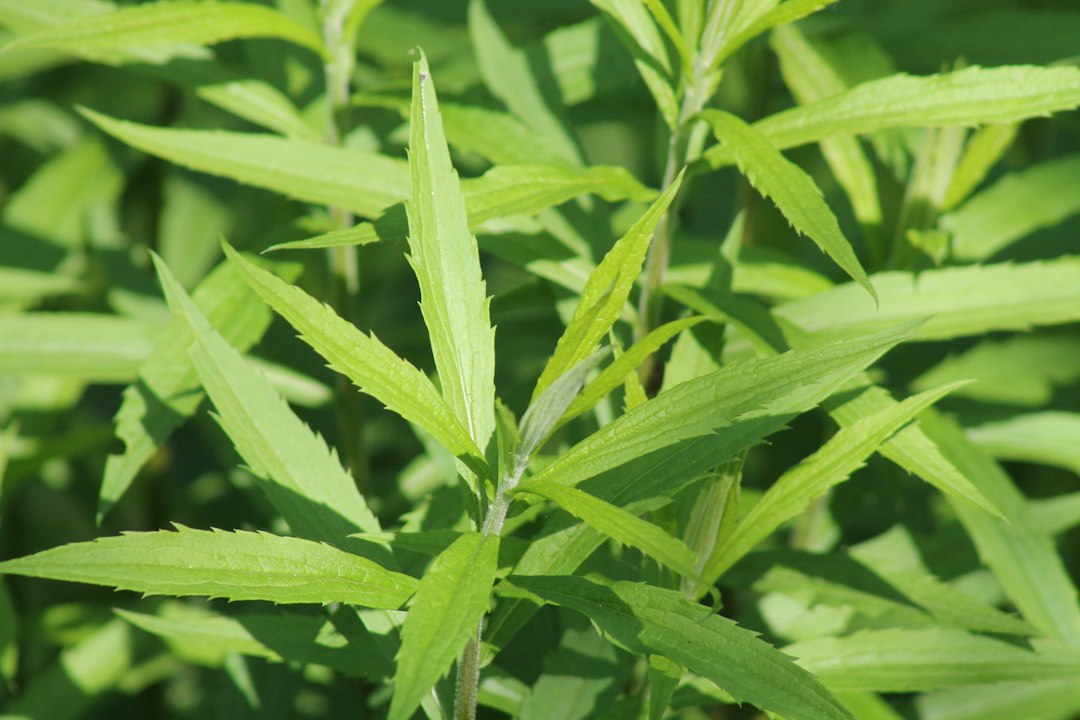
Take a look at K-beauty soothing products right now and you’ll notice how often mugwort shows up. Mugwort is turning up in everything from toners and essences to masks and even cleansers, and more and more people dealing with redness or sensitivity are asking, “Is mugwort really that good?”
In Korea, mugwort (ssuk) is nothing new. It’s a familiar plant with a long history in Korean food and traditional herbal practices — think mugwort soup, mugwort rice cakes, and mugwort baths. So how did this familiar plant become such a big part of K-beauty soothing skincare? And what can you realistically expect it to do for your skin? In this post, I’ll break down why mugwort shows up so often, what it can realistically do for your skin, how far the evidence goes, and one surprisingly important precaution.
This post is general ingredient information. Much of the research on mugwort for skin is still in its early stages, so it’s best thought of as a soothing ingredient, not a treatment. Be especially careful if you have an allergy to plants in the daisy family (more on that below), and always start any new product with a patch test. If redness or stinging keeps going, or you suspect a skin condition, a dermatologist will give you a more accurate answer.
Why is mugwort suddenly everywhere in K-beauty?
There are a few factors working together here. First, mugwort has a long history in traditional Korean herbal medicine, which gives brands a familiar, traditional ingredient story to work with. On top of that, interest in sensitive-skin, low-irritation skincare and calming ingredients has grown, so alongside cica and heartleaf, mugwort-focused products have become much more common too.
That said, the fact that mugwort is everywhere doesn’t mean its skin benefits are well proven. So rather than judging its effectiveness by its popularity, let’s look at what the research actually tells us.
Not all “mugwort” is the same mugwort
Here’s something to know first. The mugwort used in cosmetics belongs to the Artemisia genus, and even though we lump it all together as “mugwort,” several different species show up in products.
- Artemisia princeps (Korean mugwort)
- Artemisia annua (sweet wormwood)
- Artemisia capillaris (capillary wormwood)
That’s why you may see ingredient names such as `Artemisia Princeps Leaf Extract`, with the species listed after Artemisia. Each species has a somewhat different makeup, so you can’t simply apply research on one species to every mugwort ingredient. So when you read an ingredient list, it’s worth checking the species name after Artemisia.
How far does the evidence go? What mugwort may — and may not — do for your skin
Photo by CRYSTALWEED cannabis · Unsplash
When people talk about mugwort skin benefits, most of the discussion comes down to two areas: soothing and barrier support. Research has examined flavonoids and compounds such as eupatilin in mugwort for their potential antioxidant and anti-inflammatory effects. But the strength of the evidence varies depending on the claim.
What the research suggests
- Calming dry or irritated skin: In an interview with The Zoe Report, dermatologist Marisa Garshick explained that mugwort is soothing and may help dry, irritated skin. Cosmetic chemist Ron Robinson also mentioned possible antioxidant benefits, along with soothing and anti-inflammatory effects.
- Barrier and hydration support: In a cell study, Korean mugwort (Artemisia princeps) extract increased the expression of barrier proteins like filaggrin and loricrin (PMC).
What isn’t settled yet
- The evidence for mugwort’s soothing benefits is still largely based on traditional use, laboratory research, and expert opinion, so clinical evidence from human studies remains limited.
- The barrier research was done on cells, not human skin, so it’s more accurate to say it “suggests the possibility” than “definitely strengthens your barrier.”
- Most importantly, mugwort is not a treatment for skin conditions. Experts also caution that while mugwort may help calm temporary redness and irritation, it isn’t a treatment for inflammatory skin conditions.
In short, mugwort may be worth considering as a soothing ingredient, but it’s not something to rely on to treat a skin condition. (Comparing it with other calming ingredients like heartleaf and cica (Centella Asiatica) makes each one’s character much clearer.)
A soothing ingredient that isn’t right for everyone: allergies to the daisy family
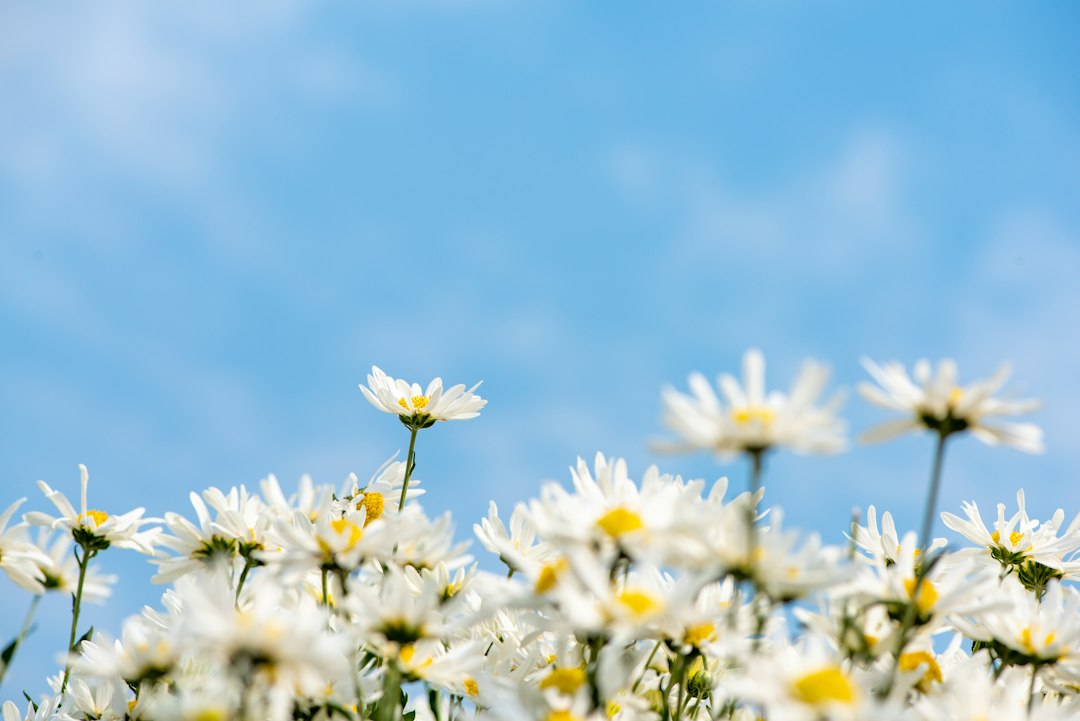
This might be the most important part of any mugwort post. Mugwort is a member of the daisy family (Asteraceae). It’s in the same family as ragweed, daisies, and chrysanthemums, so people who are allergic to these plants or their pollen may also react to mugwort ingredients. In fact, mugwort pollen allergy is fairly well known.
So a “soothing ingredient” label doesn’t necessarily mean it’s right for everyone. If you have a known allergy to plants in the daisy family, it’s especially important to patch test following the product’s directions before using it on your whole face. Garshick gave the same advice in that interview — start with a small amount and patch test first. With any ingredient, the key is to check how your own skin reacts first.
So, should you buy mugwort products?
There’s no need to pick a product just because it says “mugwort.” And you can’t judge how well a product will work just from seeing mugwort on the ingredient list or knowing which Artemisia extract it uses. Cosmetics contain lots of other ingredients too, like moisturizers, other soothing ingredients, and fragrance, so while mugwort is worth your interest as a soothing ingredient, looking at the full formula and how your skin responds matters more.
It’s worth considering if:
- You want a gentle soothing product for redness or dryness
- You generally get along well with products containing plant-based soothing ingredients
- You prefer a simple, hydrating, calming routine over strong actives
Don’t rely on mugwort alone if you’re hoping to:
- Treat acne
- Get rid of hyperpigmentation quickly
- Treat skin conditions like atopic dermatitis or eczema
- Assume a whole product is gentle just because it contains “mugwort”
If you choose a mugwort product, use it according to the product’s directions as part of your hydrating and soothing routine. For a toner or essence, that usually means applying it after cleansing and following with a moisturizer containing ingredients like ceramides. This can be a simple way to add soothing and hydration without overcomplicating your routine. (I’ve covered barrier ingredients in what ceramides do for your skin and sensitive-skin routines overall in my sensitive skin care routine.)
What I learned at the beauty shop: expectations were the problem, not the ingredient
When I was working at the Korean beauty shop, winter brought a noticeable jump in customers whose skin had turned sensitive from cold wind and dry indoor heating, asking, “Do you have anything soothing?” I’d usually talk them through calming ingredients like mugwort, cica, and heartleaf together, and what I noticed was that expectations often mattered more than the ingredient itself.
When someone piled several new products onto already irritated skin because “this ingredient is supposed to be good,” their skin often got even more sensitive. On the other hand, when they added just one product with a soothing ingredient and cut back on irritants (over-exfoliating, harsh product combinations), their skin felt much more comfortable. Mugwort being everywhere doesn’t make it a must-buy. Mugwort seemed most useful when I thought of it as “one soothing layer” after first addressing what was irritating the skin.
When to see a professional
- When redness, stinging, or breakouts persist or get worse even with soothing products
- If you suspect a daisy-family allergy, or you get reactions like hives or swelling after use
- When you suspect a skin condition like atopic dermatitis or eczema
In these cases, it’s worth seeing a dermatologist rather than cycling through different ingredients. Mugwort is a soothing, supportive ingredient, not something that treats skin conditions.
The bottom line
Mugwort’s popularity in K-beauty is largely the result of familiarity + the soothing trend + marketing, but that doesn’t mean there’s no evidence at all.
- Why it’s everywhere: traditional familiarity + the soothing skincare trend + K-beauty marketing
- What you can expect: possible soothing, antioxidant, and barrier support (all at the “may help” level, with limited clinical evidence)
- Good to know: cosmetics use several species, like Korean mugwort and sweet wormwood → check the species name on the ingredient list
- The precaution to remember: daisy-family allergies + patch testing
- Not a treatment: think of it as a soothing addition, not a substitute for addressing what’s irritating your skin
Mugwort is one of K-beauty’s signature plant ingredients, with its soothing and antioxidant potential still being studied. Mugwort isn’t a must-have, but for skin that tolerates it, it can be a reasonable soothing addition to your routine.
References
- The Zoe Report — Mugwort Skin Benefits: Why Experts Recommend It For Sensitive Skin
- PMC — Antioxidant Artemisia princeps Extract Enhances Filaggrin and Loricrin Expression
- Soko Glam — Ingredient Spotlight: Artemisia (Mugwort)
- DermNet — Compositae allergy (the daisy/Asteraceae family, which includes mugwort)