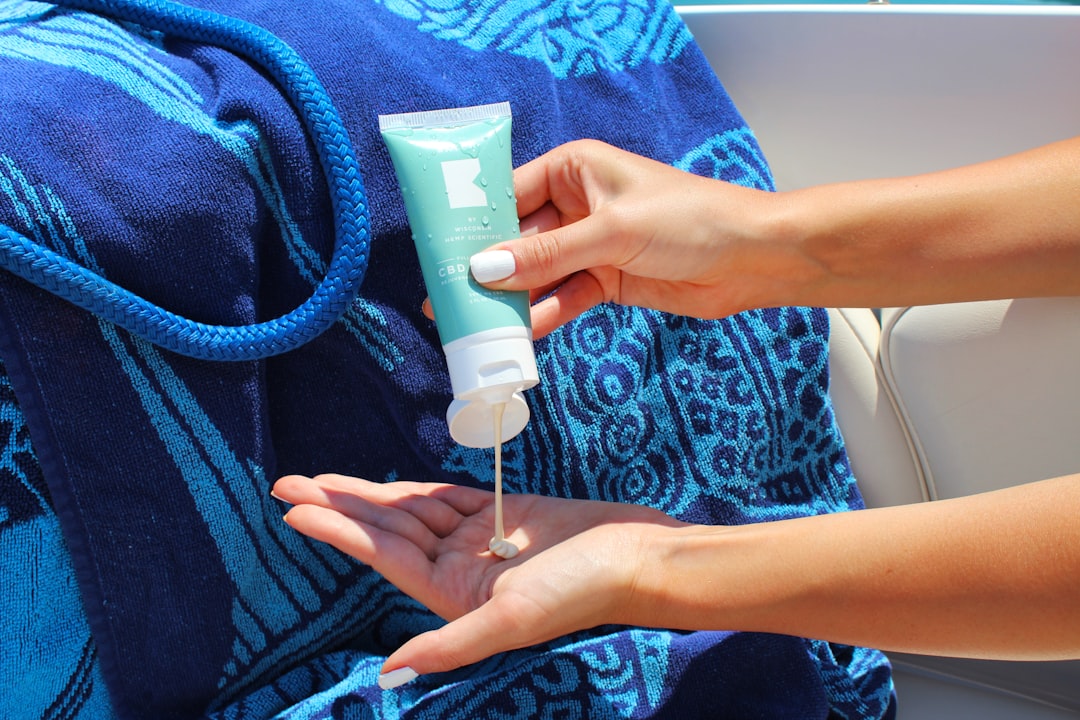
Photo by BATCH by Wisconsin Hemp Scientific · Unsplash
When I was working at a Korean beauty shop in Vancouver, a lot of customers came in specifically looking for Korean sunscreen. They spread nicely, sink in quickly, and there’s a huge range to pick from. But Canada regulates sunscreen fairly strictly, so plenty of those same shoppers ended up stuck — they knew what they wanted to use, but not where to actually buy it.
So this post isn’t just a list of products. It focuses on how to choose a Korean sunscreen in Canada (what to actually look at), and where to buy one. If what you really want to know is which sunscreen suits your skin type, the Korean sunscreen guide by skin type is a good companion read.
⚠️ Sunscreen regulations and product availability can change depending on the time and the region. This is general reference information, and sunscreen is only one part of overall sun protection.
Why Korean Sunscreen Is So Popular in Canada
From what I saw firsthand, the appeal came down to a few things.
- A light feel on the skin — not much white cast, and a lot of customers preferred an airy texture over anything heavy or occlusive.
- Good slip, fast absorption, decent wear — Korean sunscreens generally spread easily and sink in quickly.
- A wide range to choose from — hydrating types, tone-up types, all kinds of textures and functions. Lately, tone-up sunscreens that make the skin look brighter overall were selling well too.
- Different types of UV filters — not just mineral and chemical, but also hybrid formulas that combine the strengths of both, with a broad spread of textures and finishes. That said, whether a sunscreen irritates you isn’t decided by the filter type alone — fragrance, preservatives, other ingredients, and your own skin condition all play a part.
In short, what I felt drove the popularity was simple: lots of options, and a light wear.
⭐ How I Look at a Sunscreen (It’s Not Just the SPF Number)
When you’re choosing a sunscreen, the SPF number alone isn’t enough. These are the things I used to tell customers to look at alongside it — a habit from years of working with clients as an esthetician.
- Texture and absorption — test it yourself first: does it sink in, and does it agree with your skin?
- White cast — does it go on ashy or white?
- Makeup compatibility — does the sunscreen make whatever you put over it pill and slide?
- Staying power — how well does it hold up as the hours pass?
By skin type, here’s how I looked at it.
- Dry skin → tends to do better with a light texture that still has hydration to it. Check for white cast and pilling.
- Oily skin, or if you sweat a lot → look closely at staying power and how it wears. Sweat and friction can rub sunscreen off during outdoor activity, so reapplying as the situation calls for it matters.
Customers who spent a lot of time outside often went for high-SPF products like SPF 50+, and when they were choosing a Korean product, many of them also checked for the PA++++ marking. But a high SPF number doesn’t mean one application will last you all day, so reapplication depends on how long you’re outdoors and how much sweat, water, and friction is involved. For a long day outside, it’s worth checking the product’s directions, whether it’s water resistant, and what it says about reapplying.
⭐ What to Check Before Buying in Canada — DIN / NPN
This is where Canada differs a lot from other countries, so it’s genuinely worth knowing. Here, sunscreen isn’t treated as an ordinary cosmetic — depending on the active UV filters, it’s regulated as either a non-prescription drug or a natural health product.
- A sunscreen whose main purpose is UV protection may be classified as a drug (DIN) or a natural health product (NPN). Generally, products with chemical UV filters fall under DIN, while mineral sunscreens using only zinc oxide and titanium dioxide fall under NPN — and a product containing both kinds of filters is treated as a DIN product.
- If a sunscreen is officially sold in Canada, it’s a good idea to check that the label carries an 8-digit DIN or NPN. Health Canada states that sunscreens approved for sale in Canada must have a DIN or an NPN. If there’s no number, check first whether the product is actually authorized here.
- Just because a sunscreen is popular in Korea or Japan doesn’t mean the same product is officially distributed in Canada. UV filters and approval standards differ from country to country, so a product that’s a huge hit overseas may be hard to find in Canadian stores.
💡 SPF and PA mean different things. SPF mainly indicates the level of protection against UVB, while in Korea, Japan and elsewhere in Asia, the PA rating is often used alongside it to indicate UVA protection. The labelling systems are different, so rather than comparing numbers head-to-head, read the product’s full labelling and directions.
The real question isn’t “is this a Korean product?” — it’s “is this officially sold in Canada, and does it suit my skin and how I’ll be using it?”
Where to Buy Korean Sunscreen in Canada
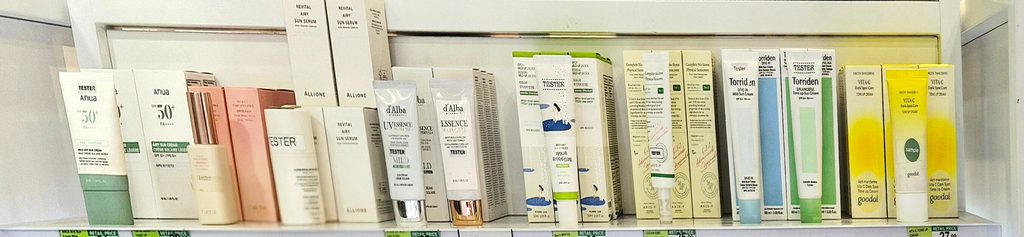
Because sunscreen is regulated differently from regular cosmetics in Canada, a product you’d spot easily in Korea or elsewhere in Asia may not be officially distributed here. Even so, some Canadian retailers carry Korean sunscreens that are authorized for sale in Canada, and if there’s a specific product you want that isn’t available locally, overseas online retailers such as YesStyle may be another option — with the usual duties, taxes, and shipping considerations.
- In store — I’ve broken down which retailers carry what in where to buy K-beauty in Canada.
- Ordering online from abroad — just remember to factor in duties, taxes, and shipping. I covered the details in buying K-beauty online in Canada.
When you’re buying online, it’s worth checking — as mentioned above — whether the product is officially distributed and authentic. If the price looks too good to be true, look into the seller and the supply chain first.
One more thing: if you want to confirm that a product is officially sold in Canada, you can look up its DIN/NPN in Health Canada’s relevant database. There are in fact Korean sunscreens that have cleared Canadian regulations, received a DIN, and are officially sold here — so it isn’t “you can’t buy Korean sunscreen in Canada.” The key is checking official availability product by product.
When Reapplying Isn’t Realistic
There are plenty of situations where reapplying sunscreen on schedule just isn’t practical. When you need to touch up over makeup, an SPF-containing cushion or powder product can help as a supplement. But it’s hard to get enough UV protection from those products alone, so don’t think of them as a replacement for your actual sunscreen. Applying a generous layer of sunscreen before makeup comes first.
Sunscreen Isn’t Just a Summer Thing Anymore
It used to be that people only reached for sunscreen when the summer sun was blazing. These days, a lot of us treat it as a year-round essential.
- UV rays (especially UVA) can be there even on cloudy days, so making it a consistent habit can help with managing skin aging.
- Snowy days call for sun protection too. Health Canada notes that reflection off snow can nearly double your UV exposure. If you’re spending long stretches on snow — skiing, or any winter activity outdoors — it’s worth being extra mindful about sun protection.
Of course, sunscreen alone doesn’t solve everything, and sun protection works best as a combination of measures. Still, building the habit of applying it every day pays off over the long run.
Mineral vs. Chemical vs. Hybrid — What’s the Difference?
- Mineral (physical) — uses filters like zinc oxide and titanium dioxide. It’s generally the option people consider if they’re sensitive to chemical filters, though white cast and the way it wears can be downsides.
- Chemical — tends to spread lightly with little white cast, but some people find it irritating.
- Hybrid — a type that brings together the strengths of both approaches.
Rather than one being the correct answer, the important thing is choosing what fits your skin and your situation. If you lean sensitive, look at the ingredient list and the feel on skin together.
Pre-Purchase Checklist
Before buying a Korean sunscreen in Canada, here’s what I check.
- ☐ SPF / PA ratings
- ☐ How it suits my skin type
- ☐ Texture (lightweight, hydrating)
- ☐ Finish (white cast, pilling)
- ☐ Ingredients (especially if you’re sensitive)
- ☐ The seller and the supply chain
- ☐ Where it ships from (for online orders)
- ☐ A DIN/NPN on the label (official Canadian availability)
- ☐ The final price, duties and shipping included
Wrapping Up
When you’re choosing a Korean sunscreen in Canada, it comes down to two things — testing the texture and feel on your own skin, and checking both official availability (DIN/NPN) and where you’re buying it from. Even a great sunscreen only does its job if you use it consistently, generously, and reapply when you should. Rather than leaning on one product, treating it as a daily habit is the most realistic approach to sun care.
Sources
- Health Canada — Sunscreens
- Health Canada — Sunscreen Monograph
- Health Canada — UV Index and Sun Safety
- CBC News — Asian sunscreens and Health Canada approval
- Official product and distribution information from each retailer
This article is for general information only; how a product feels and how regulations apply can vary by person, time, and region. If you experience skin irritation, stop using the product and consult a professional if needed.