Photo by Quang Tran · Unsplash
When the seasons change or winter sets in, a lot of people notice their skin getting drier and then turning red and touchy for no clear reason. That’s usually when two ingredients get searched the most: Centella Asiatica (cica) and niacinamide. Both are known for “soothing,” so when I worked at a Korean beauty shop in Vancouver, I heard “Which one should I use for redness?” and “Can I use them together?” a lot. Quite a few customers thought they were basically the same ingredient. I studied esthetics and I still see why it’s confusing, so today I’m breaking down centella asiatica vs niacinamide for redness, calmly and in plain terms.
Why is my skin red in the first place?
Redness can come from different places. Once you know which one you’re dealing with, picking an ingredient gets much easier.
One common cause is a barrier weakened by dryness or outside irritation. Your skin can feel thinner than usual, and sometimes it stings. Then there’s sensitive, reactive skin, the type that flushes easily with temperature changes or new products. Finally there’s temporary flushing, the kind that shows up briefly after exercise, spicy food, or a sudden temperature change.
If your redness lasts a long time, you can see small visible blood vessels, or the burning feeling keeps coming back, though, it could be a skin condition like rosacea. Don’t try to “fix” that with skincare. See a dermatologist first.
What is Centella Asiatica (cica)?
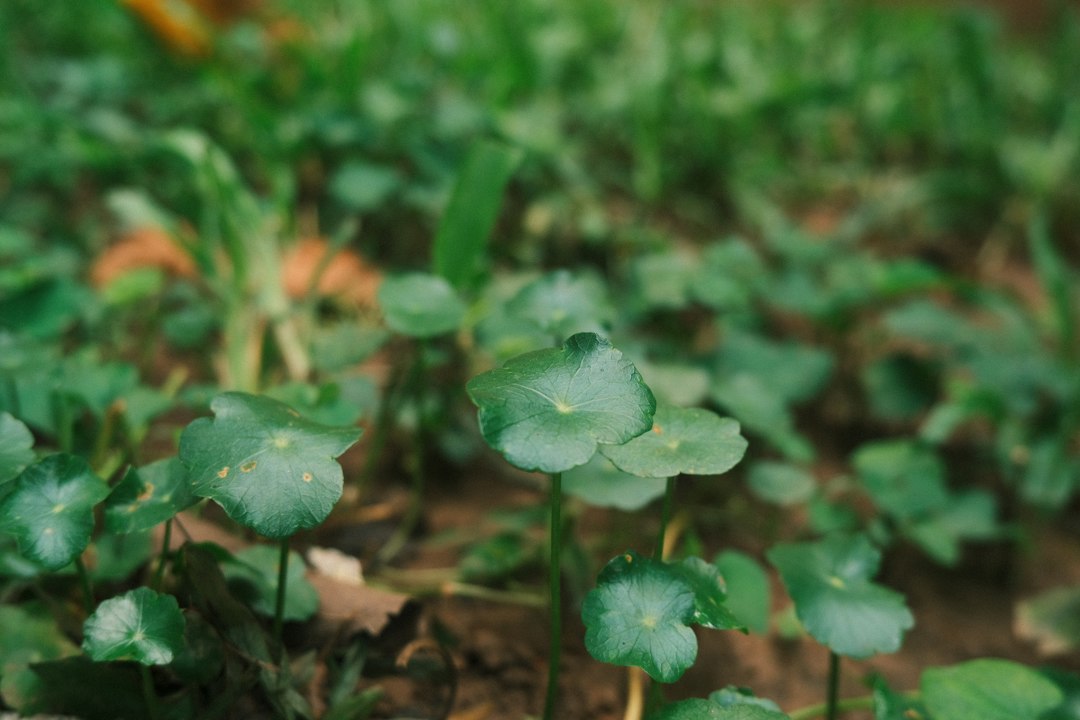
Centella comes from a plant called Centella asiatica, though most people know it as “cica.” Its main active compounds include madecassoside and asiaticoside. A standardized centella extract (TECA) is also used in Korea as an ingredient in wound ointments, which is where its “calms skin and helps it recover” reputation comes from. (I go into more detail in my post on what cica actually is.)
Traditionally it’s been loved for calming, soothing, and barrier support. So think of centella as an ingredient that can help keep skin comfortable when fresh irritation is bothering you. Formulas and results vary from product to product, though, and it isn’t an emergency fix that wipes out redness on the spot.
It’s also worth being honest about how strong the evidence is. There’s research on wound healing and soothing, but the human data that would firmly back “it improves redness” mostly comes from small clinical studies, manufacturer data, and post-procedure studies (after lasers and similar treatments). So instead of saying it “gets rid of redness,” it’s more accurate to call it an ingredient that can help calm sensitized skin.
And niacinamide (vitamin B3)?
Niacinamide is a form of vitamin B3, and it does quite a lot. It supports the skin barrier (it helps your skin produce ceramides) and reduces water loss. It’s also used for oil control, making pores look less obvious, and improving dullness and uneven skin tone.
For redness specifically, there’s research suggesting it can ease UV-induced redness, or reduce redness by improving the barrier (mostly small studies). It also comes up as a supporting option for rosacea, but large clinical trials that directly measure redness are still lacking, so keep your expectations moderate.
Niacinamide is an ingredient you use consistently while watching how your skin changes. It isn’t really for calming the redness that flared up today. It’s closer to ongoing care for your barrier and skin tone.
The big thing to watch is concentration and how your skin reacts. Niacinamide is used for barrier and tone care even at relatively low concentrations. Formulas differ and so do skin reactions, so a higher percentage doesn’t automatically mean better results. If redness or sensitivity is your concern, start low and see how your skin responds, then adjust how often you use it once things look fine. You don’t need a 10% product, and if you get stinging or burning, stop using it.
Centella asiatica vs niacinamide for redness
There’s no single right answer. Match the ingredient to what your skin is doing.
On a day when your skin suddenly feels stingy and sensitive, consider a gentle moisturizer with centella (cica). Centella itself won’t make irritation vanish instantly, so it matters just as much to choose a product low in fragrance and other potentially irritating ingredients.
If a weak barrier means you redden often, and blotchiness, pores, or oil are also on your list, go with niacinamide to build up the barrier steadily. Just start with a low concentration.
If both sound like you, you can use them together. Don’t switch everything at once, though. Introduce them one at a time.
Can you use them together?
Yes, they usually pair well. The two ingredients are generally compatible, although individual skin reactions can vary. For order, stick to the basic rule of thinner textures first, thicker ones after. For example, apply niacinamide serum first, then finish with a cica cream on top. If that feels like too much effort, split them by time of day, with niacinamide in the morning and cica cream at night.
The real problem isn’t the combination. It’s adding too many products at once. This goes double if your skin is sensitive or you already use retinol, vitamin C, or acne treatments. Instead of piling new products on all at the same time, bring them in one by one and watch how your skin reacts. On days your skin feels irritated, cutting your routine back to something simple, like just a cica cream, is a good option too. Start any new ingredient at a low concentration, and patch test first. Both are on the gentle side, but everyone’s skin is different.
What to check when buying
- Don’t choose by one ingredient name alone. The whole formula (what’s in there to hydrate and soothe) matters more.
- For red or sensitive skin, watch out for fragrance and high amounts of alcohol. Sometimes people buy a product to calm their skin and end up irritating it.
- The popular go-tos: people tend to reach for cica creams for soothing and niacinamide serums for barrier and multi-purpose care. Fit varies from person to person, though, so finding what works for you matters most.
- Curious how much centella is in a product? Check the ingredient list. The closer madecassoside or centella extract sits to the top, the more there tends to be, but order alone can’t tell you the exact amount.
- There are combo products too. If layering two products is a hassle, a single product with both centella and niacinamide works fine. Many don’t list the niacinamide percentage, though, so if you want fine control over concentration, single-ingredient products are the better choice.
What I’m using right now
Just for reference, here are a few things I actually use. Everyone’s skin is different, so this isn’t “the answer.”
- Dr.G Cica Spot Cream: I apply this only to the area when a breakout or redness pops up in one spot. For me it seems to settle things down fairly quickly, so it’s what I grab for quick soothing on days my skin turns a little red and sensitive.
- Anua Niacinamide 10% + TXA 4% Serum: the niacinamide serum I’m using these days. I use it consistently for barrier and texture care.
- Anua hyaluronic acid serum: I use this daily because it helps keep my skin hydrated. I tend to switch between several serums depending on how my skin is doing that day.
The same product can feel different on different people, so think of this as part of figuring out what suits you.
FAQ
Q. Will the redness disappear right after I apply it? You may feel an immediate soothing sensation, but redness caused by dryness or outside irritation often eases over time as you cut back on irritants and care for your barrier. The right approach can also differ depending on what’s causing your redness. Consistency matters more than expecting a dramatic change overnight.
Q. Can I use both every day without irritation? Both are generally gentle. Still, avoid high-concentration niacinamide, fragrance, and rushing several new ingredients in at once. Letting your skin adjust to them one at a time is the safer way.
Q. My redness just won’t calm down. If redness lingers, or visible blood vessels and burning keep coming back, it could be something like dilated blood vessels or rosacea. In that case, I’d recommend seeing a dermatologist before reaching for more skincare.
So, cica or niacinamide?
When it comes to centella asiatica vs niacinamide for redness, the question isn’t which one is “better.” It’s about matching the ingredient to the cause of your redness and the state of your skin. Consider cica when your skin feels irritated and you want a soothing moisturizer, and niacinamide when you’re looking for ongoing barrier and skin-tone care. If you need both, introduce them gradually. And if the redness persists, get a professional opinion before worrying about comparing ingredients.